



Metals Market Outlook 2026: Scarcity, Strategy, and the New Industrial Order
The global metals industry is entering a decisive phase, shaped by geopolitics, clean energy transitions, and supply chain realignments. From precious metals like Gold and Silver to rare and high-value elements like Rhodium and Iridium, the market is witnessing both volatility and opportunity.
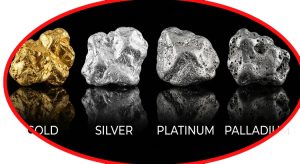
The Metal Age 2.0: Power, Profit, and the Race Beneath the Earth.
The Current Landscape
The pricing hierarchy of metals today reflects a mix of rarity, industrial utility, and geopolitical control. Platinum group metals (PGMs) such as Platinum, Palladium, and Ruthenium dominate the high-value segment due to their critical use in automotive catalysts, electronics, and hydrogen technologies.
- Rhodium leads the chart, driven by limited supply and high demand in emission control systems
- Iridium remains rare and essential for electronics and green hydrogen applications
- Gold continues its role as a safe-haven asset amid global economic uncertainty
- Silver straddles both investment and industrial demand, especially in solar panels
Key Industry Drivers
1. Energy Transition and Green Technologies
The push towards renewable energy is reshaping metal demand. Solar panels, electric vehicles (EVs), and hydrogen fuel systems rely heavily on metals like silver, platinum, and iridium. As countries accelerate decarbonisation, demand for these materials is expected to surge.
2. Supply Constraints and Geopolitics
A significant portion of PGMs is sourced from a few regions, particularly South Africa and Russia. Any disruption—political, environmental, or logistical—can trigger sharp price movements. This concentration risk continues to influence global pricing trends.
3. Industrial Recovery and Infrastructure Push
Post-pandemic economic recovery and infrastructure investments, especially in emerging markets like India, are driving demand for metals across construction, manufacturing, and transportation sectors.
4. Investment Demand
Precious metals remain a hedge against inflation and currency volatility. Gold, in particular, continues to attract central banks and institutional investors, reinforcing its long-term stability.
Sector-Wise Performance
- Automotive Industry: Transition from internal combustion engines to EVs is altering demand patterns. Palladium demand may stabilise, while platinum gains prominence in hydrogen fuel cells.
- Electronics & Technology: Iridium and ruthenium are increasingly critical in semiconductors and advanced electronics.
- Renewable Energy: Silver demand is rising due to its role in photovoltaic cells, while platinum supports hydrogen-based energy systems.
Challenges Ahead
Despite strong demand, the industry faces structural challenges:
- Volatility in prices due to supply concentration
- Environmental concerns around mining practices
- Recycling limitations, especially for rare metals
- Technological substitution risks, where cheaper alternatives may emerge
Future Outlook
The metals industry is expected to move towards a strategic commodity framework, where metals are not just traded goods but critical assets for national security and economic resilience.
- Prices likely to remain firm for rare and green-energy metals
- Increased investment in mining and recycling technologies
- Shift towards sustainable sourcing and ESG compliance
- Greater role of countries like India in refining, processing, and consumption
The India Angle
India’s growing infrastructure pipeline, manufacturing push, and renewable energy targets position it as a major consumer of metals in the coming decade. Policies encouraging domestic production and reduced import dependency could reshape the regional metals ecosystem.
Conclusion
The metals market is no longer just about supply and demand—it is about strategy, sustainability, and survival in a rapidly changing world. As industries evolve and nations compete for resources, metals will remain at the heart of economic transformation.
From the glitter of gold to the industrial might of rhodium, the future of metals is both complex and compelling—promising growth, but demanding foresight.
