



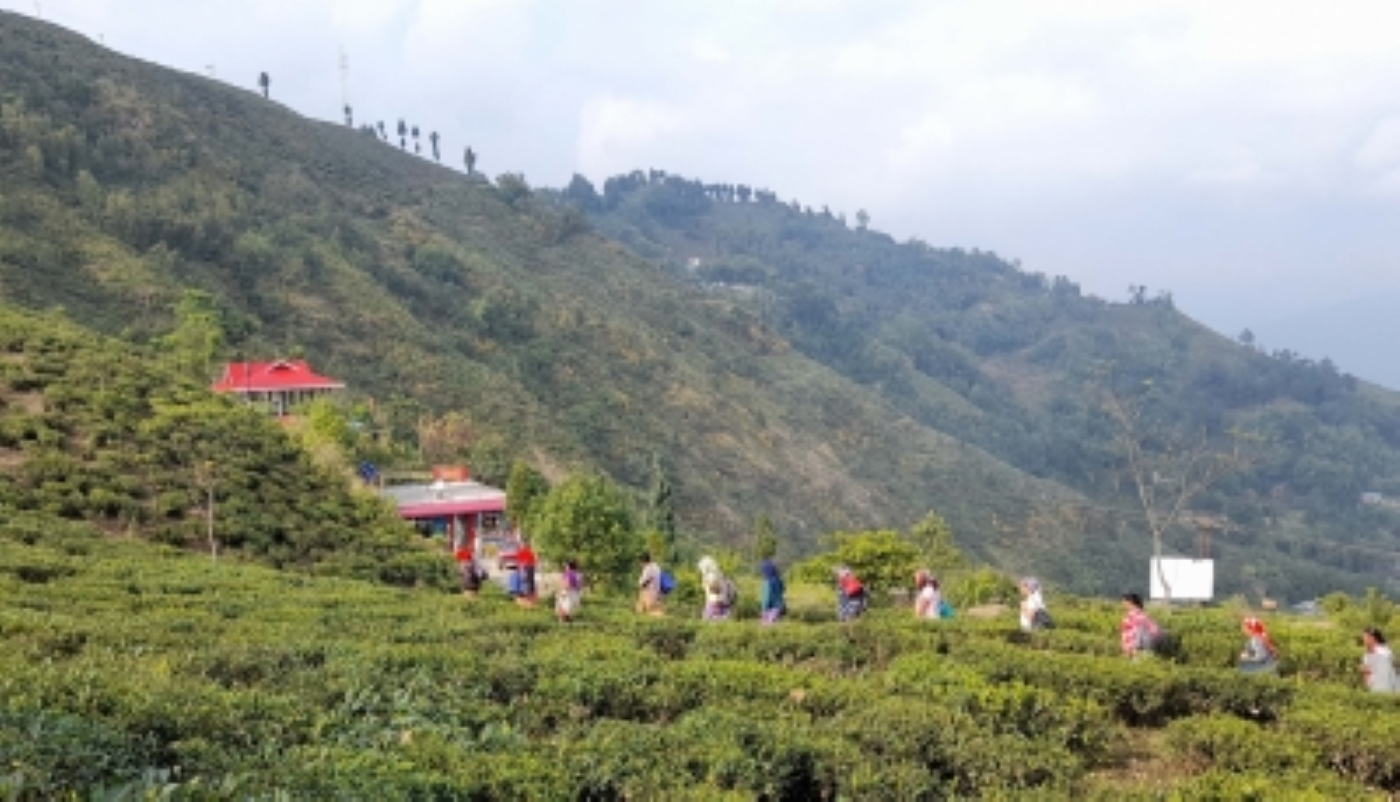
India’s economic growth has long been shaped by ambitious national programs such as MGNREGA and Skill India, which have strengthened rural livelihoods and lifted millions out of poverty. However, for truly inclusive development, large-scale, top-down policies must be supplemented by grassroots, bottom-up innovation. Across the country, regions heavily reliant on single industries are grappling with economic shifts, climate challenges, and evolving consumer demand. While national programs play a critical role, they often lack the flexibility to meet the specific needs of these regions. Local interventions, led by NGOs and philanthropic partnerships, are emerging as vital platforms for testing transformative economic solutions.
One example is the “Supplemental Income for Tea Estate Workers” initiative in the Darjeeling region. Spearheaded by the Darjeeling Welfare Society in collaboration with the Gates Foundation and Grant Thornton Bharat, this project is demonstrating how grassroots solutions can unlock economic opportunities where traditional industries are failing. The initiative targets nearly half of Darjeeling’s closed tea gardens, providing displaced workers with sustainable alternatives through enterprise creation, vocational training, market linkages, financial access, and policy integration. Its structured approach aims to increase household incomes by up to 1.3 times while facilitating the transition of displaced workers, particularly women, into sustainable, community-led enterprises. By equipping individuals with new skills, integrating them into formal markets, and securing strategic partnerships, the program is reviving livelihoods and creating a blueprint for nationwide economic resilience.
A central challenge in rural economies is overdependence on single industries. This initiative in Darjeeling tackles the issue head-on, demonstrating that diversification is key to long-term economic security. Workers who once relied solely on tea production are now engaged in alternative agriculture, food processing, handicrafts, and small-scale enterprises. High-value crops such as specialty mushrooms and areca nuts are being cultivated to meet strong market demand, while poultry farming and fruit processing provide stable income streams. Additionally, traditional crafts like weaving, soap-making, and embroidery have been revived, enabling women-led businesses to enter digital and formal marketplaces. This shift from monoculture dependency to multi-sector engagement builds economic ecosystems that are resilient, adaptable, and market-driven, moving beyond welfare support to foster self-sustaining communities.
For these grassroots initiatives to succeed, access to markets and finance is as critical as skill development. The Darjeeling project has effectively connected community enterprises with institutional buyers, digital platforms, and financial credit networks. By linking small producers to government procurement schemes and e-commerce platforms, it ensures consistent demand for their products. Additionally, access to microfinance and cooperative banking has enabled women entrepreneurs to scale their businesses, reducing reliance on exploitative informal lending. This strategy mirrors the success of India’s self-help group (SHG) movement, which has brought over 100 million women into the formal economy. Expanding this model across other sectors holds immense potential but requires structured interventions that bridge skill-building, financial access, and market linkages.
The power of grassroots innovation lies in its ability to influence larger policy frameworks. The Darjeeling initiative is already collaborating with state livelihood missions, NABARD, and industry bodies to institutionalize its approach. This serves as a scalable model for policymakers. NGOs and philanthropic organizations can act as incubators for economic solutions that the Government of India can later adopt into national programs. Scaling such interventions can address broader challenges, including rural-urban migration, stagnation in traditional industries, and the need to create globally competitive rural enterprises. By piloting solutions at the grassroots level, refining them through partnerships, and integrating them into national planning, India can ensure that no region, regardless of its geography or economic history, is left behind.
The next phase of the Darjeeling initiative involves scaling its impact through government collaboration. The Darjeeling Welfare Society is actively engaging with state agencies such as the West Bengal State Rural Livelihoods Mission for skill development and enterprise financing, the Department of Agriculture and Horticulture for agribusiness expansion, and the Tea Board of India for integrating high-value specialty tea blends into the market. For India’s rural economy to thrive, development must shift from being perceived as charity to becoming a process of enterprise-building. While the government plays a crucial role, the contributions of NGOs, private enterprises, and local leaders are equally important in designing and implementing effective ground-level interventions.
The Supplemental Income initiative is just the beginning. Across India, similar models must be encouraged, funded, and scaled. The path to inclusive development lies in nurturing local solutions that evolve into national strategies. Some of the best ideas for India’s future are already taking shape—not in urban conference rooms, but in the fields, workshops, and homes of rural communities across the country.
