

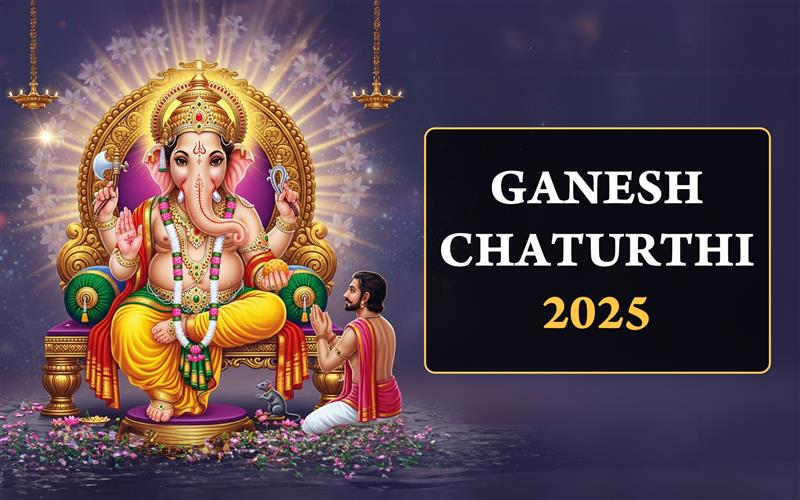
Ganesh Chaturthi, the vibrant and deeply symbolic festival celebrating the birth of Lord Ganesha, is one of India’s most beloved cultural events. Observed with grandeur and devotion across the country, it transcends regional boundaries, blending mythology, community spirit, culinary tradition, and artistic expression into a ten-day spectacle of faith and festivity. As families prepare to welcome the elephant-headed deity into their homes and hearts, this article explores the multifaceted dimensions of Ganesh Chaturthi—from its mythological origins and historical evolution to its diverse regional variants and the rich tapestry of rituals and food that define its celebration.
The Mythological Origins of Ganesh Chaturthi
At the heart of Ganesh Chaturthi lies a powerful myth that speaks to creation, sacrifice, and renewal. According to Hindu tradition, Goddess Parvati created Ganesha from turmeric paste to guard her privacy while she bathed. When Lord Shiva returned and was denied entry by the boy, he beheaded him in anger. Upon realizing his mistake and seeing Parvati’s grief, Shiva revived the child by replacing his head with that of an elephant. Thus was born Ganesha, the remover of obstacles (Vighnaharta), the patron of wisdom and new beginnings, and the deity worshipped first in every Hindu ritual.
This story, rich in symbolism, reflects the eternal cycle of creation and dissolution, the importance of humility, and the triumph of devotion over adversity. It is this narrative that devotees invoke during Ganesh Chaturthi, seeking blessings for prosperity, clarity, and success.
Historical Evolution: From Private Ritual to Public Movement
While Ganesh Chaturthi has ancient roots, its transformation into a public festival is credited to Lokmanya Bal Gangadhar Tilak in 1893. During British colonial rule, Tilak popularized the celebration as a means to unite Indians across caste and class lines, fostering a sense of national identity and resistance. By encouraging large public gatherings and community worship, Tilak turned Ganesh Chaturthi into a platform for cultural unity and political mobilization.
Earlier, the festival was confined to household rituals, especially in Maharashtra. Post-Tilak, it became a mass movement, with elaborate pandals, public processions, and cultural programs. Today, Ganesh Chaturthi is not only a religious observance but also a celebration of India’s pluralistic spirit and artistic heritage.
Rituals and Methods of Celebration
Ganesh Chaturthi begins on the fourth day (Chaturthi) of the Shukla Paksha in the Hindu month of Bhadrapada (August–September). The festival typically lasts ten days, culminating in Ganesh Visarjan on Anant Chaturdashi.
The celebration starts with Ganesh Sthapana—the installation of Ganesha idols in homes and public pandals. Devotees perform Pranapratishtha, a ritual to invoke the deity’s presence, followed by daily pujas, aartis, and offerings. The idols, often made of eco-friendly clay, are adorned with flowers, durva grass, and sweets like modaks and laddoos.
Families and communities gather for morning and evening prayers, devotional singing, and storytelling sessions recounting Ganesha’s legends. Cultural events such as classical music performances, dance, drama, and community feasts add to the festive atmosphere. On the final day, the idols are carried in grand processions to rivers, lakes, or the sea for immersion, symbolizing Ganesha’s return to his celestial abode and the cycle of life and renewal.
Traditional Foods: A Culinary Devotion
Food plays a central role in Ganesh Chaturthi, with offerings reflecting regional tastes and devotional symbolism. The most iconic sweet is the modak—a steamed or fried dumpling filled with coconut and jaggery, believed to be Ganesha’s favorite. In Maharashtra, Ukadiche Modak (steamed modak) is a staple, often served with a drizzle of ghee.
Other popular sweets include:
- Puran Poli: A flatbread stuffed with sweet lentil filling, flavored with cardamom and nutmeg.
- Kozhukattai: South Indian version of modak, made with rice flour and coconut-jaggery filling.
- Laddoos: Variants like besan, rava, coconut, and til laddoos are offered as prasadam.
- Patholi: Steamed rice rolls with coconut-jaggery filling, wrapped in turmeric leaves, popular in Goa and Karnataka.
- Kheer and Payasam: Milk-based desserts flavored with cardamom, saffron, and dry fruits.
Savory dishes also feature prominently, especially in community feasts. Maharashtrian favorites include Batata Rassa (spiced potato curry), Moong Usal (sprouted green gram curry), and Pithla-Bhakri (gram flour curry with millet flatbread). In Tamil Nadu and Andhra Pradesh, dishes like Sundal (spiced legumes), Puliyodarai (tamarind rice), and Vada are common.
Regional Variants: A Mosaic of Traditions
Ganesh Chaturthi is celebrated across India, each region adding its own flavor and customs:
- Maharashtra: The epicenter of Ganeshotsav, with iconic pandals like Lalbaugcha Raja and Dagdusheth Halwai Ganpati. The festival here is marked by massive idols, dhol-tasha performances, and community service initiatives.
- Goa: Known as Chovoth, the celebration is intimate and eco-conscious. Families craft clay idols and decorate them with Matoli—a canopy of seasonal fruits and herbs.
- Karnataka: Celebrated as Gowri-Ganesha, with rituals beginning a day earlier to honor Goddess Gowri. Patra Pooja (worship with 21 types of leaves) and folk performances are highlights.
- Tamil Nadu: Called Vinayaka Chaturthi or Pillayar Chaturthi, the festival is marked by temple rituals, homemade sweets like kozhukattai, and devotional singing.
- Andhra Pradesh and Telangana: Known for Vinayaka Nimajjanam, the immersion processions are grand, especially at Hyderabad’s Hussain Sagar Lake. Idols often reflect contemporary themes.
- Odisha: Unique for its student-led celebrations in schools and colleges, emphasizing Ganesha’s role as the god of learning.
- West Bengal: Though Durga Puja dominates, Ganesh Chaturthi is gaining popularity, with idols often styled in Bengali artistic traditions.
Cultural Relevance and Contemporary Significance
Ganesh Chaturthi is more than a religious festival—it is a cultural phenomenon that fosters community bonding, artistic expression, and environmental awareness. The shift toward eco-friendly idols and sustainable practices reflects growing consciousness about ecological impact. Many cities now promote clay idols, natural dyes, and artificial immersion tanks to protect water bodies.
The festival also serves as a platform for social causes. Blood donation camps, tree planting drives, and educational programs are often organized alongside celebrations. In urban centers, Ganesh Chaturthi bridges generational gaps, with elders passing down rituals and stories, and youth engaging through art, music, and digital platforms.
Globally, the Hindu diaspora in countries like Nepal, Indonesia, Malaysia, Japan, and the United States celebrates Ganesh Chaturthi with equal fervor, adapting rituals to local contexts while preserving the essence of devotion.
Conclusion: A Festival of Faith, Food, and Fellowship
Ganesh Chaturthi stands as a luminous thread in India’s cultural fabric, weaving together mythology, history, culinary tradition, and communal harmony. It reminds us that spirituality is not confined to temples but lives in homes, streets, kitchens, and hearts. As Lord Ganesha arrives each year, he brings with him not just blessings but a call to reflect, renew, and rejoice.
To all Forever News readers, may this Ganesh Chaturthi bring wisdom, prosperity, and joy. Ganpati Bappa Morya!