

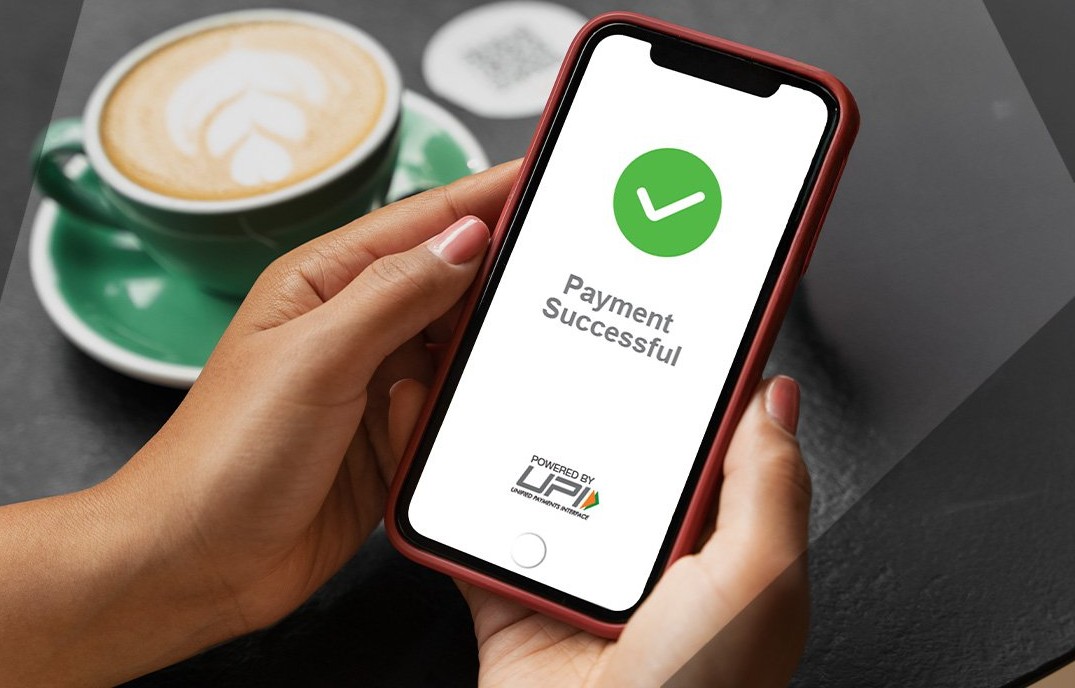
The National Payments Corporation of India has announced that all peer-to-peer collect requests on the Unified Payments Interface will be banned starting October 1, 2025, in a move aimed at curbing financial fraud. NPCI has directed all member banks and UPI apps to stop initiating, routing, or processing P2P collect transactions, while merchant collect requests will continue to be permitted.
The collect request feature allows one user to request money from another through UPI, typically requiring the recipient to approve the request and enter their UPI PIN. While this mechanism is widely used by merchants on platforms such as Flipkart, Amazon, Swiggy, and IRCTC, it has also been exploited by fraudsters to trick users into authorising unintended payments.
NPCI stated in its circular that UPI P2P collect transactions will no longer be processed after October 1. Currently, the maximum amount that can be collected per transaction is Rs 2,000, and the number of successful P2P credit transactions is capped at 50 per day. These limits were introduced to reduce fraud, which was more prevalent during the early adoption phase of UPI.
The collect feature has been used by individuals to remind friends or relatives about pending payments and by small shopkeepers using personal accounts for trade transactions. Such accounts are now classified as merchant accounts, and their transactions are treated accordingly.
UPI remains India’s leading digital payments system, with approximately 400 million users. Transaction volume has grown from 920 million in FY 2017–18 to 18.587 billion in FY 2024–25, reflecting a compound annual growth rate of 114 percent. The value of UPI transactions surged from Rs 1.10 trillion to Rs 261 trillion over the same period. In July 2025 alone, UPI recorded over 1.946 billion transactions, marking the highest monthly volume to date.