
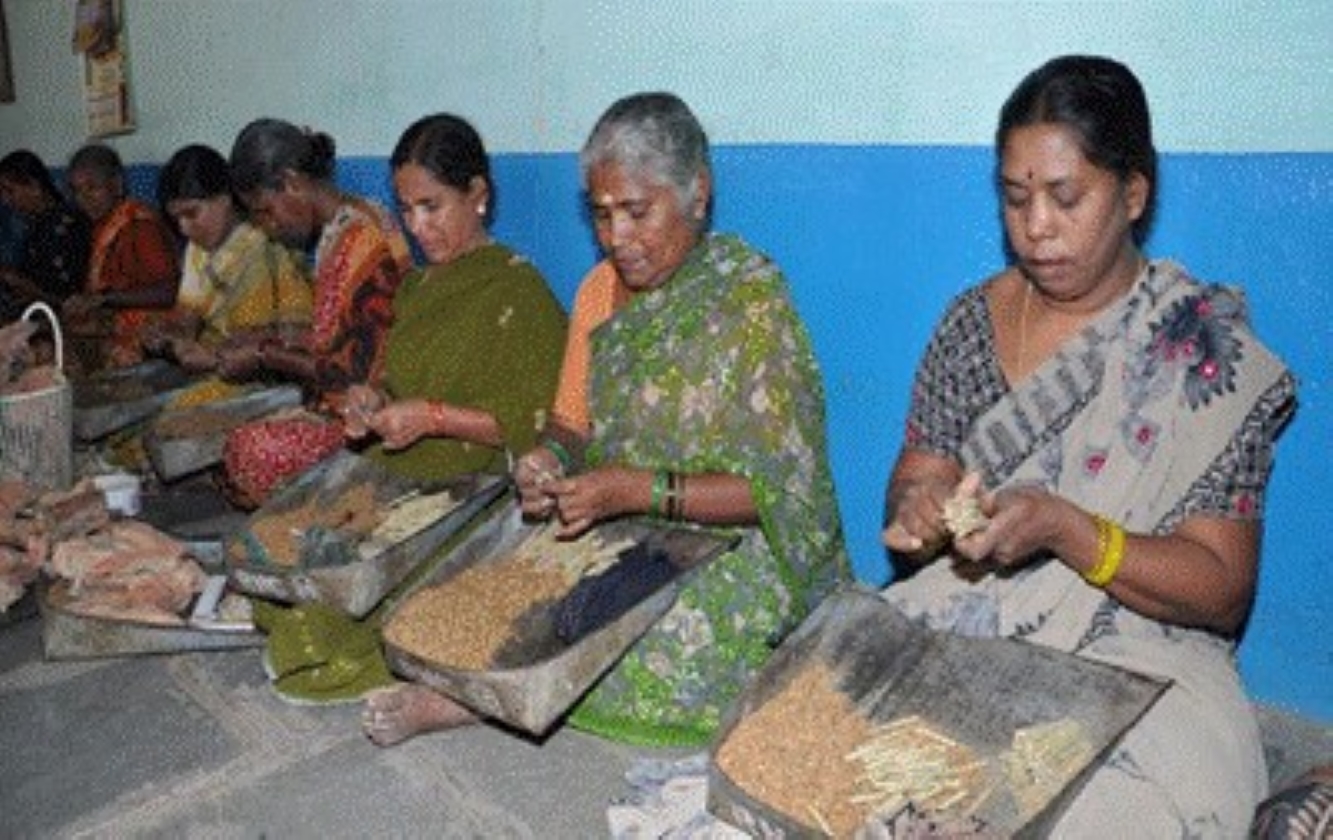
India’s Ministry of Labour and Employment has reported that more than 50 million unorganised workers and their families, particularly in the beedi, mining, and film industries, have received direct benefits under various welfare programs implemented over the past 11 years. Operated through the Directorate General of Labour Welfare, these initiatives offer social protection, healthcare, educational scholarships, and housing support, reflecting the government’s inclusive approach to labor rights and equity.
The Education Assistance Scheme has emerged as a key pillar, granting annual scholarships ranging from ₹1,000 to ₹25,000 via the National Scholarship Portal. Over 100,000 applications are received each year, with funds disbursed through Direct Benefit Transfer for transparency and efficiency.
Healthcare support has also expanded significantly, with outpatient services delivered through a national dispensary network and reimbursements for critical treatments such as cancer, cardiac surgeries, kidney transplants, and tuberculosis. Financial aid ranges from ₹30,000 for minor procedures to ₹750,000 for life-threatening illnesses.
Although the Revised Integrated Housing Scheme was merged with the Pradhan Mantri Awas Yojana, the Ministry continued disbursement of pending installments until March 2024 to ensure no eligible worker was left behind.
The program is implemented across India through 18 regional Welfare Commissioners and reinforces the government’s goal of transitioning from relief-based aid to empowerment-focused governance. The initiatives highlight a commitment to Sabka Saath, Sabka Vikas, and are being restructured to be increasingly technology-driven and outcome-oriented in the coming years. The Ministry reaffirmed its dedication to strengthening this safety net for India’s most vulnerable workforce.
Let me know if you’d like this formatted for publishing or paired with quotes and visuals for more impact. I’m here to help.