
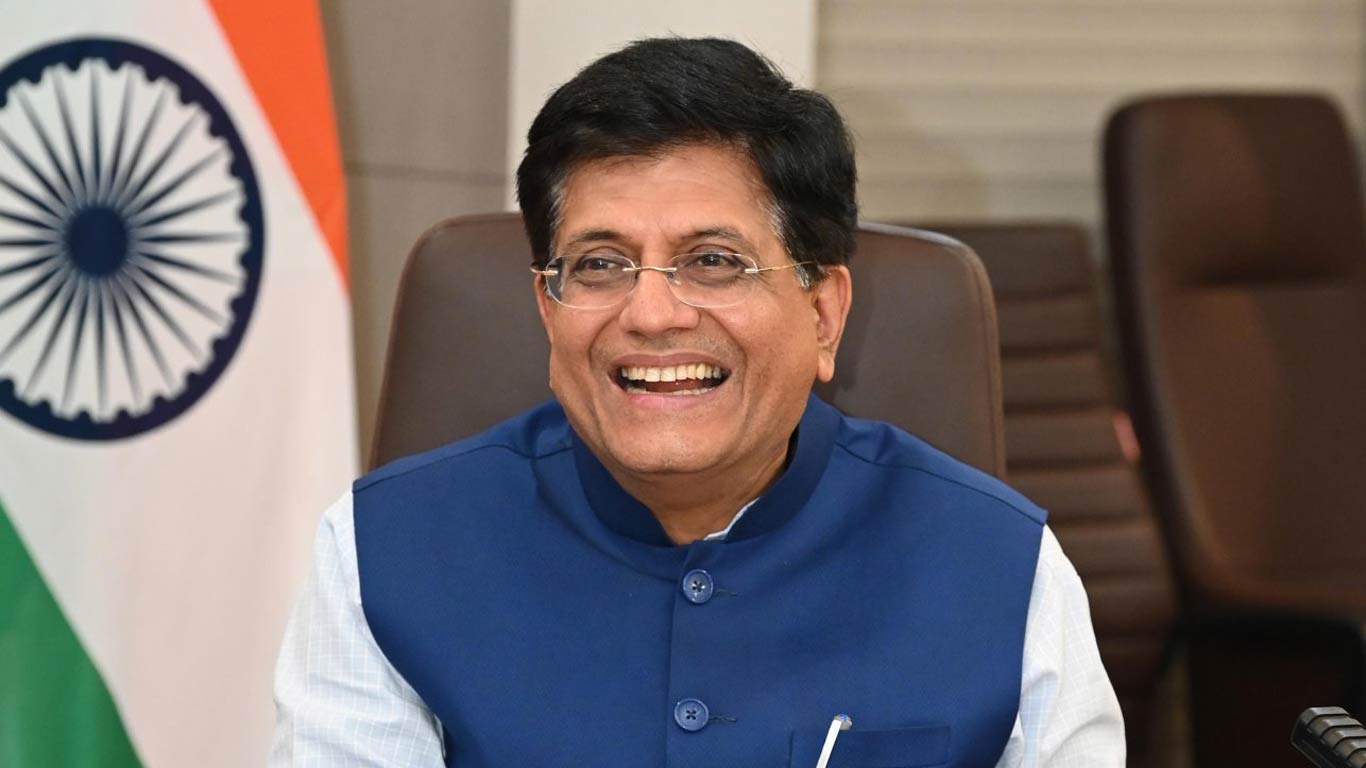
Union Minister of Commerce and Industry Piyush Goyal emphasized India’s leadership in the global energy transition during his address at the Columbia India Energy Dialogue in New Delhi. He reaffirmed the country’s commitment to inclusive and equitable climate action, advocating for energy solutions that prioritize equity, inclusiveness, and the developmental needs of the Global South.
The Minister underscored the urgent need for a collective global response to climate change, stressing that while the pace of transition may vary across nations, the commitment must be universal. He highlighted India’s role in rallying the Global South during COP21, ensuring their participation in shaping solutions rather than being seen as mere stakeholders.
Expressing concern over unfulfilled commitments made by developed nations under the Paris Agreement, Goyal pointed to the failure in delivering essential climate financing, technology transfers, and concessional support under the principle of Common But Differentiated Responsibilities. He noted that India, despite supporting 17% of the world’s population, contributes only 3% of global carbon emissions.
India’s renewable energy sector has made significant advancements, surpassing its 2030 target of 200 gigawatts as early as 2022. Solar energy alone has grown 30 times over the past decade. The Minister also highlighted the establishment of a 500-gigawatt interconnected national grid, which has ensured round-the-clock access to affordable energy across the country, strengthening clean energy integration.
Goyal outlined India’s advancements in innovative technologies, including LED lighting, green hydrogen, biofuels, ethanol blending, and electric mobility. He pointed to India’s emergence as a global hub for clean energy-powered data centers, backed by resilient and reliable grid infrastructure.
Calling for global collaboration, the Minister urged Columbia University to partner with Indian Institutes of Eminence and consider setting up a campus in India to foster knowledge exchange and technological growth.
He concluded by stating that India will not just participate in the global clean energy movement but will lead it, engaging with the world from a position of strength and ensuring shared prosperity through sustainable energy initiatives.