

he Government of India has reaffirmed its commitment to increasing farmer incomes through digital platforms and post-harvest infrastructure, with a multi-pronged strategy that integrates market access, value chain efficiency and cold storage expansion. In a written reply to the Lok Sabha, Minister of State for Agriculture and Farmers Welfare Ramnath Thakur outlined key initiatives that aim to improve price realization and reduce losses for agricultural producers.
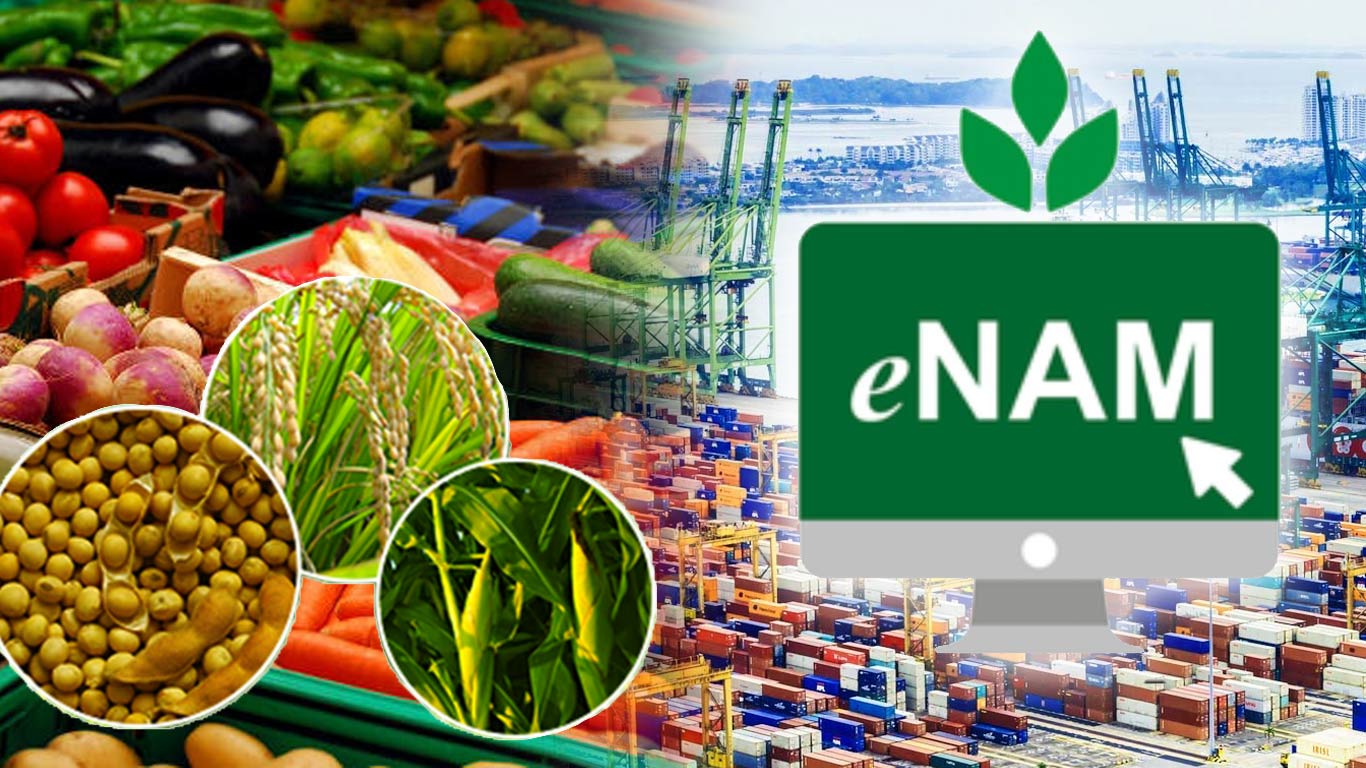
Launched in 2016, the National Agriculture Market (e-NAM) has enabled farmers to sell their produce transparently to a wide pool of buyers across multiple markets through electronic access. Farmers Producer Organisations have been onboarded onto e-NAM, ONDC and GeM platforms to further enhance digital market reach and reduce dependence on traditional intermediaries.
The Reserve Bank of India’s working papers have provided critical insights into the value chain dynamics affecting farmer earnings. One study titled “Vegetables Inflation in India: A Study of Tomato, Onion and Potato (TOP)” estimates that farmers receive only 33 percent of the consumer rupee for tomatoes, 36 percent for onions and 37 percent for potatoes. Another paper, “Price Dynamics and Value Chain of Fruits in India,” places the farmer’s share at 31 percent for bananas, 35 percent for grapes and 43 percent for mangoes. These figures highlight the impact of multiple marketing channels, high perishability, and elevated marketing costs and margins on farmer income.
To address these structural inefficiencies, the government has prioritized marketing reforms and post-harvest loss reduction. Under the Agriculture Infrastructure Fund, support is being extended to cold storages located in agri-export clusters and at the farm gate level. This includes facilities for small and marginal farmers, large agribusinesses and Agricultural Produce Market Committees. Entrepreneurs, cooperatives, Primary Agricultural Credit Societies and Self-Help Groups are actively availing AIF support to establish cold chain logistics integrated with grading, sorting and packaging units.
As of June 30, 2025, a total of 2,454 cold storage projects have been sanctioned under AIF, with a cumulative sanctioned amount of ₹8,258 crore—equivalent to approximately $990 million. These projects are expected to significantly reduce post-harvest losses and improve returns to farmers.
In parallel, the Mission for Integrated Development of Horticulture is providing financial assistance for holistic sector development, including infrastructure for Pack Houses, Integrated Pack Houses, cold storages, Reefer Transport and Ripening Chambers. The component is demand-driven and entrepreneur-led, with government support offered as a credit-linked back-ended subsidy. The subsidy is set at 35 percent of the project cost in general areas and 50 percent in hilly and scheduled areas, routed through respective State Horticulture Missions.
Together, these measures reflect a strategic shift toward empowering farmers through digital commerce, infrastructure investment and value chain reform. The government’s approach combines production enhancement with market modernization, aiming to ensure remunerative prices and sustainable income growth for India’s agricultural community.