

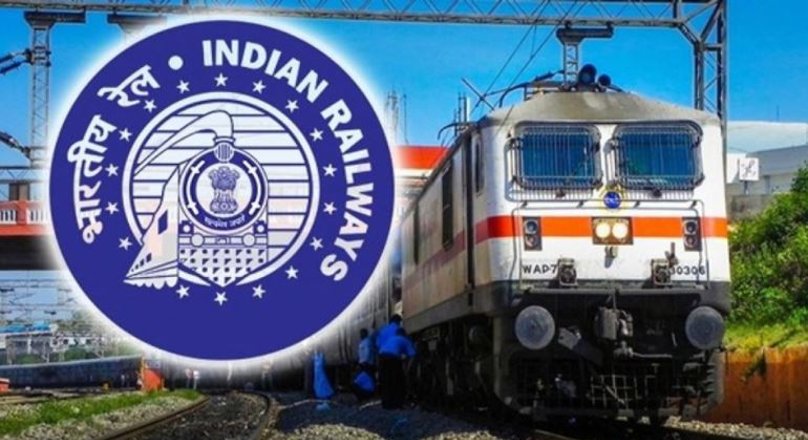
In a significant boost to India’s rail infrastructure, the Cabinet Committee on Economic Affairs, chaired by the Prime Minister, has approved two multitracking projects aimed at enhancing railway capacity and improving both passenger and freight transportation. The projects—Ratlam-Nagda third and fourth line and Wardha-Balharshah fourth line—will cover a combined distance of 176 kilometers across Maharashtra and Madhya Pradesh.
With an estimated cost of approximately $410 million, the projects are expected to be completed by 2029-30 under the PM-Gati Shakti National Master Plan, ensuring integrated planning and seamless multi-modal connectivity. The improved railway infrastructure will provide access to around 784 villages with a population of nearly two million people, reinforcing the government’s commitment to regional development.
These critical routes will support the transportation of key commodities such as coal, cement, clinker, gypsum, fly ash, agricultural goods, petroleum products, and containers. The planned capacity augmentation is projected to handle an additional freight volume of 18.4 million tonnes annually. The expansion aligns with India’s sustainable transportation goals by reducing oil imports by approximately 20 million liters and lowering carbon dioxide emissions by 99 million kilograms—equivalent to planting 40 million trees.
Beyond logistics, the projects will have a substantial economic impact by generating employment opportunities amounting to 7.4 million human-days during construction. The increased railway capacity will enhance operational efficiency, reduce congestion, and improve service reliability, advancing India’s vision for a modern and self-reliant transportation network.
These infrastructure developments underscore the government’s broader strategy to optimize supply chains, facilitate economic growth, and reinforce Indian Railways’ role in driving sustainable, cost-effective logistics solutions.