
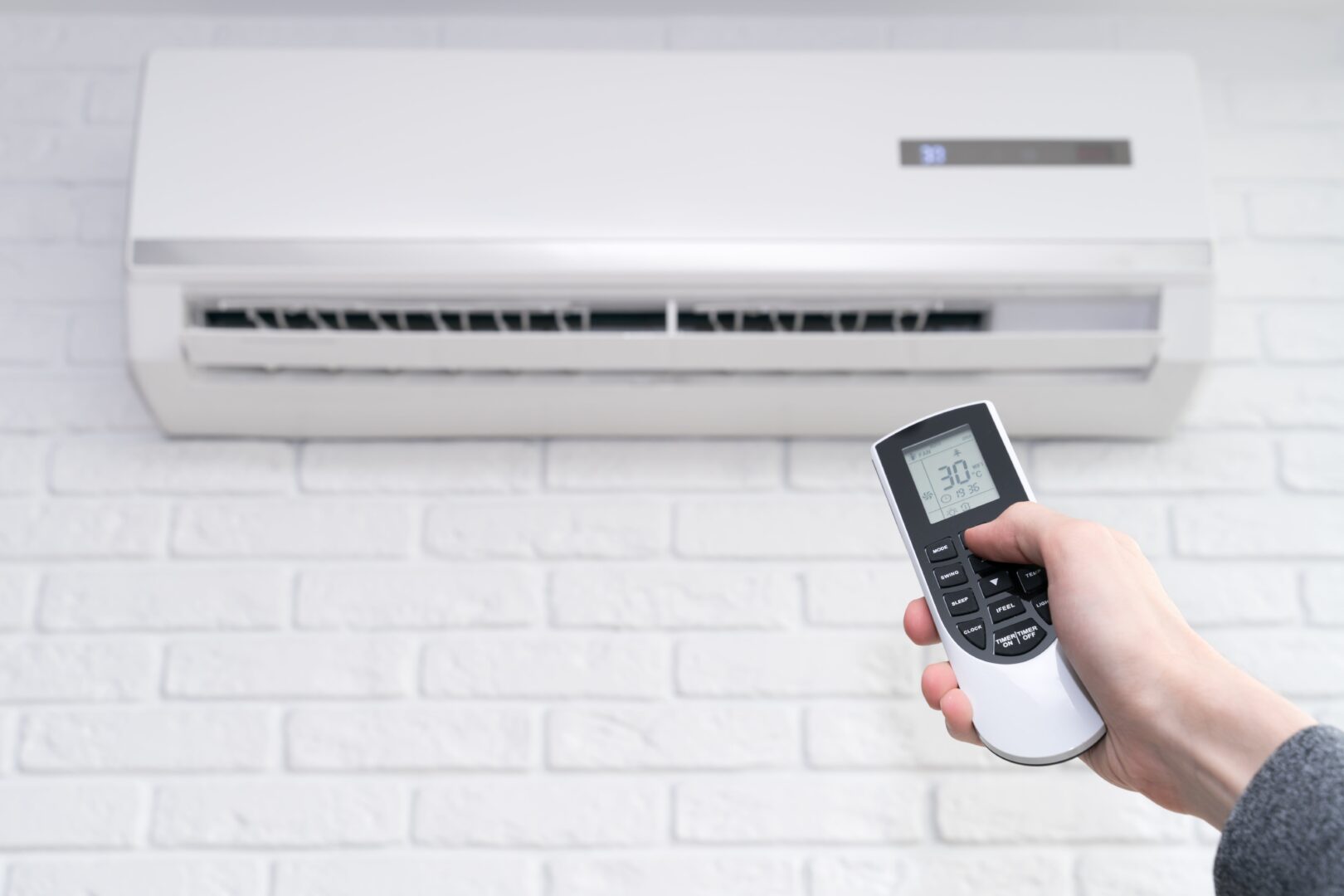
As summer approaches and temperatures soar, the use of air conditioning (AC) in India becomes increasingly prevalent. While AC units provide much-needed relief from the sweltering heat, their widespread and often reckless use comes with a host of negative effects on health, the environment, and society. This feature delves into the hidden dangers of air conditioning, exploring its impact on Indians and offering insights into how to mitigate these risks.
Prolonged exposure to air conditioning can lead to respiratory problems. The cold, dry air can irritate the respiratory tract, causing symptoms such as dry throat, nasal congestion, and rhinitis. In poorly maintained AC systems, the accumulation of dust, mold, and bacteria can exacerbate these issues, leading to more severe respiratory infections and allergies. Air conditioning also reduces humidity levels, leading to dry skin and eyes. This can cause discomfort, itching, and irritation. For individuals with pre-existing conditions like dry eye syndrome or eczema, the effects can be particularly pronounced, leading to a worsening of symptoms.
The dehumidifying effect of air conditioning can also lead to dehydration. As the body loses moisture through the skin and respiratory tract, individuals may experience symptoms such as dry mouth, fatigue, and dizziness. This is especially concerning for vulnerable populations, such as the elderly and young children. Spending extended periods in air-conditioned environments can lead to headaches and fatigue. The constant exposure to cold air can cause blood vessels to constrict, leading to tension headaches. Additionally, the lack of fresh air and natural light can contribute to feelings of lethargy and reduced cognitive function. Frequent use of air conditioning can reduce the body’s natural tolerance to heat. This phenomenon, known as the “adaptive comfort model,” means that individuals who spend most of their time in air-conditioned environments may find it more difficult to cope with high temperatures when they are outside. This can increase the risk of heat-related illnesses, such as heat exhaustion and heatstroke.
Air conditioning units are significant consumers of electricity. In India, the rapid increase in AC ownership has led to a substantial rise in energy demand. This surge in electricity consumption contributes to higher greenhouse gas emissions, exacerbating climate change. The increased energy demand also puts a strain on the country’s power grid, leading to frequent power outages and blackouts. Many air conditioning units use hydrofluorocarbons (HFCs) as refrigerants. HFCs are potent greenhouse gases that have a much higher global warming potential than carbon dioxide. The release of these gases during the manufacturing, maintenance, and disposal of AC units contributes significantly to global warming. The widespread use of air conditioning in urban areas can contribute to the urban heat island effect. This phenomenon occurs when cities become significantly warmer than their surrounding rural areas due to human activities. The heat generated by AC units, combined with the heat-absorbing properties of concrete and asphalt, can lead to higher temperatures in urban areas, creating a vicious cycle of increased AC use and further warming.
The high cost of purchasing, installing, and maintaining air conditioning units can place a significant financial burden on households. For low-income families, the expense of running an AC unit can strain their budgets, leading to difficult choices between cooling and other essential needs. The benefits of air conditioning are not equally distributed across society. Wealthier individuals and households are more likely to have access to AC units, while poorer communities may be left to suffer in the heat. This disparity can exacerbate existing social inequalities and contribute to health disparities. The increasing reliance on air conditioning can lead to cultural shifts in how people interact with their environment. Traditional methods of coping with heat, such as using fans, wearing light clothing, and taking siestas, may be abandoned in favor of staying indoors with the AC on. This shift can lead to a loss of cultural practices and a disconnection from the natural environment.
One way to mitigate the negative effects of air conditioning is to promote the use of energy-efficient AC units. These units consume less electricity and use environmentally friendly refrigerants, reducing their impact on the environment. Government incentives and subsidies can encourage consumers to invest in energy-efficient models. Proper maintenance of air conditioning units is essential to ensure their efficient operation and reduce health risks. Regular cleaning and servicing can prevent the buildup of dust, mold, and bacteria, improving indoor air quality and reducing the risk of respiratory problems. Encouraging the use of alternative cooling methods can help reduce reliance on air conditioning. Natural ventilation, ceiling fans, and evaporative coolers are effective ways to stay cool without the negative effects of AC. Planting trees and creating green spaces can also help lower temperatures in urban areas, reducing the need for air conditioning. Raising public awareness about the negative effects of air conditioning and promoting responsible usage can help mitigate its impact. Educational campaigns can inform people about the health risks, environmental impact, and energy consumption associated with AC use. Encouraging simple practices, such as setting the thermostat to a higher temperature and using AC units only when necessary, can make a significant difference.
Urban planning and design can play a crucial role in reducing the need for air conditioning. Designing buildings with proper insulation, natural ventilation, and reflective materials can help keep indoor temperatures comfortable without relying on AC. Creating green spaces and implementing heat mitigation strategies can also help lower urban temperatures and reduce the demand for air conditioning.
While air conditioning provides much-needed relief from the scorching heat, its widespread and reckless use comes with significant negative effects on health, the environment, and society. By understanding these risks and taking proactive measures to mitigate them, we can enjoy the benefits of air conditioning while minimizing its impact. As summer approaches, let us use this technology responsibly and work towards a more sustainable and equitable future.