

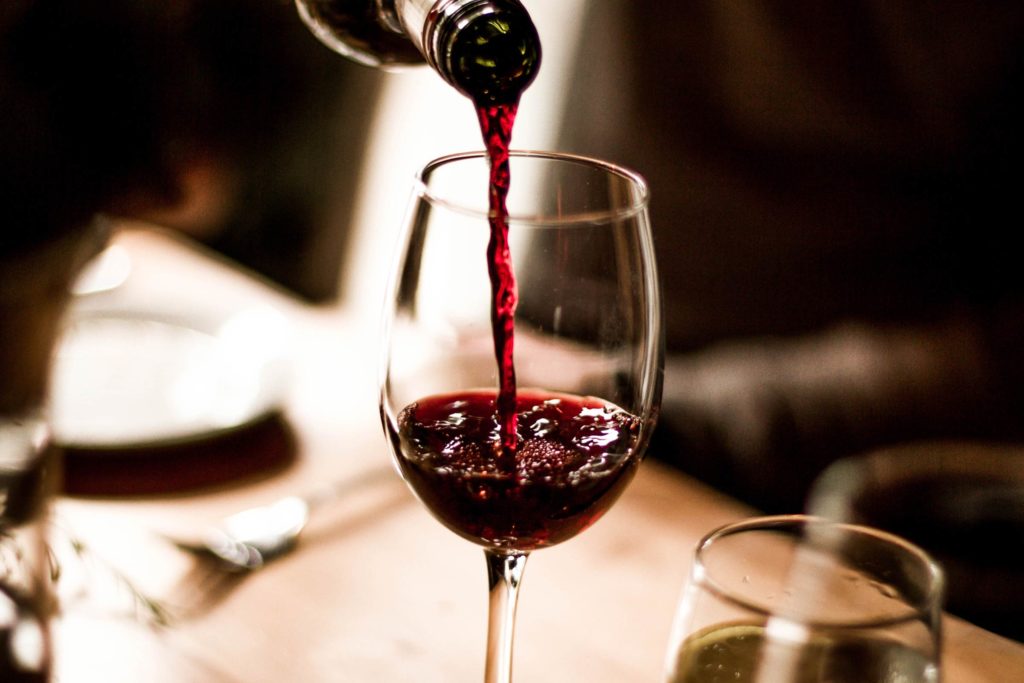
When one thinks of Tilaknagar Industries Ltd., the image that typically comes to mind is India’s leading brandy producer, celebrated for labels such as Mansion House. But in recent years, the company’s strategic shift and diversification have hinted at ambitions beyond brandy – and that includes dipping toes into wine (though the company’s core remains spirits). With the Indian red-wine scene steadily evolving, it’s worth examining how Tilaknagar’s venture (or positioning) stacks up, especially in comparison to established red-wine players, and whether their offerings merit consideration for your next bottle.
Setting the Context
Over the last decade the Indian red-wine category has matured significantly: producers have improved viticulture, barrel-aging, blending and terroir awareness. National-level lists show wines from Sula Vineyards, Fratelli Vineyards and Grover Zampa Vineyards topping “best red wines in India” rankings. By comparison, Tilaknagar has historically been known for IMFL spirits; their published Annual Reports outline a strong brandy base and an ambition to broaden the portfolio.
Given this background, any Tilaknagar red-wine label must contend with well-established wine specialists. The question is: Do they make wine? Are their red-wine offerings compelling? And if you are looking to explore Indian reds, is Tilaknagar a serious option?
What We Could Expect from Tilaknagar’s Offering
While detailed public tasting notes for a flagship Tilaknagar red wine are scarce (reflecting perhaps a nascent or limited engagement in the category), we can infer from their broader strategic commentary:
Tilaknagar aims to leverage their experience in liquor branding and production, to expand into “premiumisation” of alcoholic beverages.
The company’s focus has been on maximizing manufacturing, branding and distribution – infrastructure that could theoretically allow a wine line-up to benefit from the parent company’s scale.
If Tilaknagar were to follow standard Indian premium-red-wine formulae, one might expect: medium-to‐full body, generation of oak or barrel ageing, a blend (or single varietal) of Shiraz/Syrah or Cabernet Sauvignon, and pairing potential with Indian cuisine.
So although we haven’t found publicly highlighted wine labels from Tilaknagar that feature in “top red wine” lists, this review proceeds on the basis of what to look for, how they measure up (to the extent possible) and whether they are worth your attention.
Strengths and Appeal
- Brand-trust and distribution: Tilaknagar brings strong marketing and distribution capabilities. For a wine buyer in India, this means easier access to bottles, potential for consistent production, and possibly value pricing relative to ultra-niche boutique wines.
- Potential value proposition: If Tilaknagar positions a red wine under their umbrella with moderate pricing yet credible grape-handling (e.g., matured in barrel, sourced from good vineyards), it could present a good entry point into Indian reds. (Given other quality Indian reds begin around ₹800-1200 for 750 ml. )
- Opportunity for pairing with Indian food: A well-made Indian red wine from a larger house can succeed with Indian dishes (spiced vegetarian fare, paneer, rich vegetable stews) because it may avoid overly intense ageing or tannin profiles that clash with Indian spices.
Areas to Consider / Limitations
1. Lack of speciality heritage: Unlike Sula, Fratelli or Grover Zampa, Tilaknagar does not (publicly) have a long track record in viticulture, barrel-aged reds or exclusive vineyard sourcing. That means fewer “wow” factor wines and more likely dependable, mid-tier wines.
2. Scarce publicly documented red-wine labels: Unlike the clearly identified “Cabernet Shiraz”, “Rasa Shiraz” from Sula, etc., there is little printed tasting-note material for any “Tilaknagar red wine” that stands out in curated lists. This absence means less critical acclaim or review coverage.
3. Wine vs spirits business model conflict: As a major spirits maker, Tilaknagar’s strategic priorities may always centre on brandy/whisky rather than niche wine-making craft. For serious wine aficionados seeking terroir-driven wines, boutique vineyards may win out.
Verdict: Should You Consider a Tilaknagar Red Wine?
If you’re shopping for Indian red wines and your criteria are: good value, accessible, enjoyable with Indian vegetarian dishes and moderate body (remember: you follow a purely vegetarian diet), then yes – a Tilaknagar red wine (if available) could be a solid choice. It may not deliver the depth, vineyard-specific provenance or age-worthy complexity of the very top Indian reds, but it could serve well as a regular evening bottle.
On the other hand, if you’re seeking a red wine for collection, ageing or premium “show off” status, you might lean toward wineries with longer wine-making heritage. The upside of Tilaknagar lies in its likely pricing, availability and compatibility with Indian meals.
How to Drink and Pair It – Tips for the Vegetarian Enthusiast
Serve at ~16-18 °C (just slightly cool) to soften tannins and highlight fruit rather than barrel-dominated flavours.
Pair with richly spiced vegetarian dishes: paneer tikka, mushrooms in a creamy sauce, grilled vegetables, lentil-cottage-cheese casseroles. A medium-bodied red from Tilaknagar should stand up to some spice without overwhelming.
Use a good glass that allows the wine to breathe for 10–15 minutes before drinking. Often Indian reds benefit from light decanting.
For food-friendly versatility, avoid pairing with extremely heavy tannin meats (which you won’t be eating), and instead opt for dishes with tomato-based sauces, smoky grilled vegetables, or bean stews. A moderate Indian red will shine here.
Final Thought
While Tilaknagar Industries may not yet be known as a top‐tier red-wine house, their entry into the category is noteworthy and could provide an accessible, enjoyable option for everyday drinking—especially for those looking to complement Indian vegetarian meals. If you come across a Tilaknagar red wine at a reasonable price and you’re wondering whether to try it—the answer is yes: try it with curiosity. Just temper expectations: this is likely not a deeply complex, vintage-wine experience, but rather a practical, well-made red suited to good everyday sipping and pairing.
In short: if you’re exploring the world of Indian red wines, keep an eye on what Tilaknagar offers—but don’t expect the same craft-wine heritage as boutique vineyards. Use it as part of your regular rotation, and appreciate it for what it offers in value, availability and compatibility with your vegetarian preferences.