
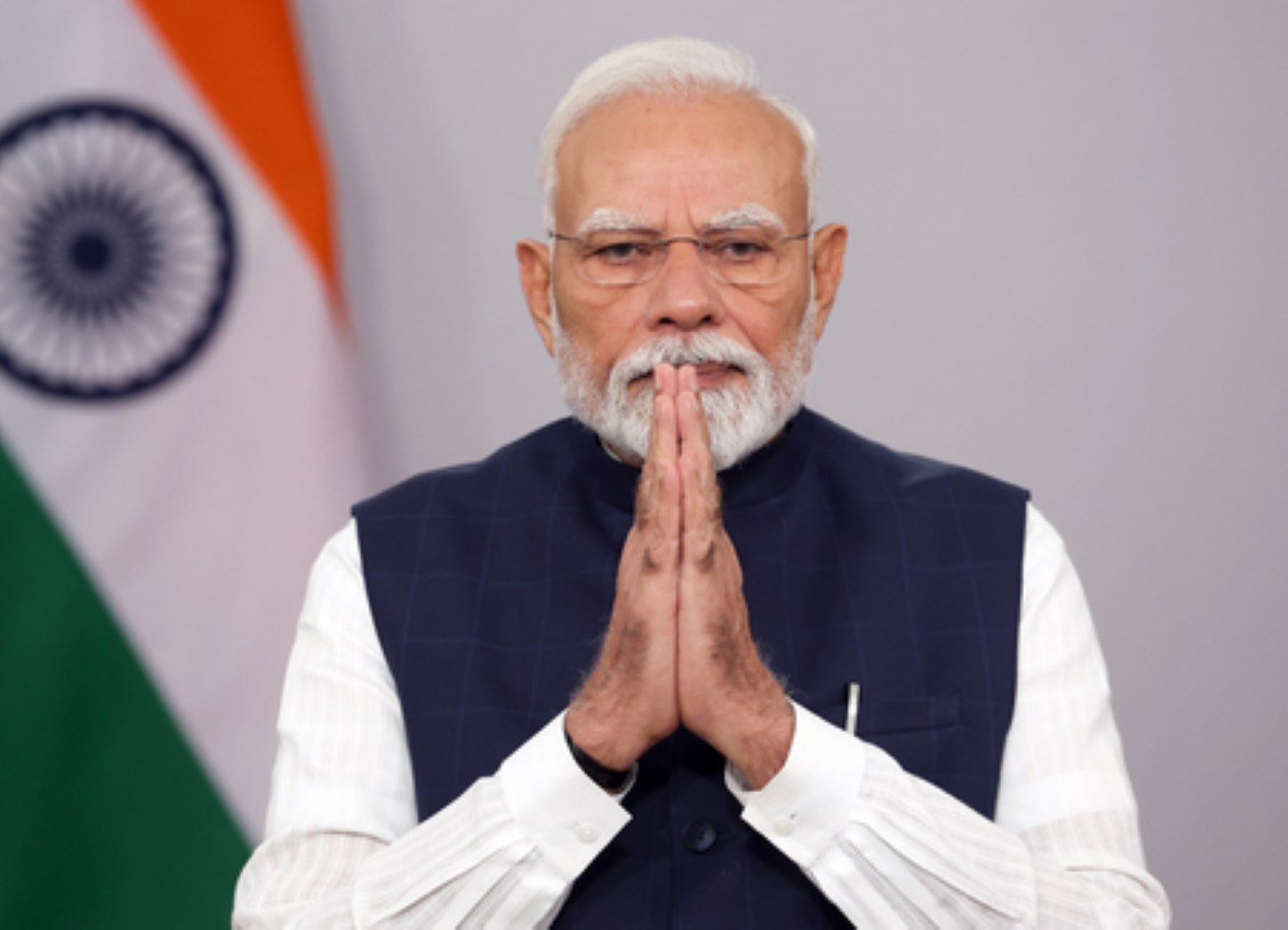
The government led by Prime Minister Narendra Modi has approved the inclusion of caste enumeration in the upcoming national Census, marking a significant shift in public policy and political strategy. Union Minister Ashwini Vaishnaw announced the decision following a Cabinet Committee on Political Affairs meeting, emphasizing its importance as a corrective measure and governance reform. While some states have conducted caste surveys, Vaishnaw criticized these efforts as politically motivated and lacking transparency, leading to societal mistrust. He stressed that integrating caste enumeration into the formal Census process would ensure its integrity and prevent misuse for narrow political gains.
Vaishnaw accused the Congress and its INDIA bloc allies of exploiting the demand for a caste census for political leverage, noting that no caste enumeration has been included in any population census since Independence despite repeated demands. He highlighted the history of the issue, recalling that in 2010, then Prime Minister Manmohan Singh assured the Lok Sabha that the Cabinet would consider caste data inclusion. However, the UPA government opted for a socio-economic survey instead, which failed to produce credible caste data due to design flaws and lack of official recognition.
The decision comes as opposition parties, particularly Rahul Gandhi and the Congress, have made the caste census a central electoral demand. Observers suggest that the BJP’s move to include caste enumeration in the Census neutralizes this political advantage, especially in Bihar, where caste plays a pivotal role in electoral politics. The RJD-Congress alliance had planned to make caste census a major campaign issue, but the Modi government’s initiative at the national level may blunt their efforts and cause internal recalibration within the INDIA bloc.
This decision represents more than a bureaucratic update; it is a strategic repositioning that reshapes the caste discourse, undermines opposition narratives, and sets the stage for policy changes based on real demographic data. The government pointed to its successful implementation of 10 percent reservation for economically weaker sections in the general category as evidence of its ability to introduce socially sensitive reforms without disrupting societal harmony.
By taking this constitutionally sound and politically sensitive step, the Modi government positions itself as responsive and inclusive, signaling its willingness to address complex issues with strategic clarity rather than electoral opportunism. As the Census process unfolds, the rollout and response to caste-based findings will be closely watched for their impact on social and political dynamics.