

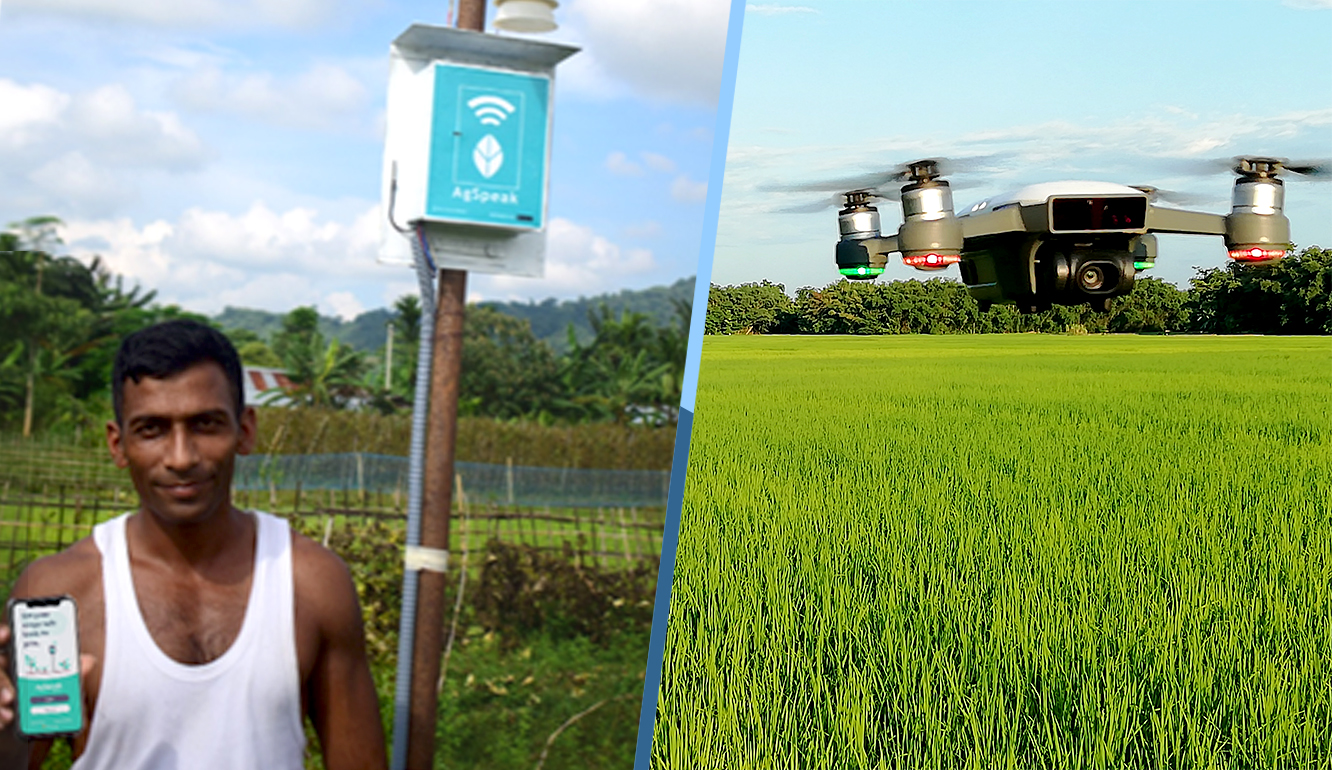
The BharatNet project continues its phased rollout to provide broadband connectivity across all Gram Panchayats and villages in India, with 13.01 million Fiber-to-the-Home connections commissioned nationwide. These Wi-Fi-enabled connections are facilitating access to e-education, e-health, e-governance, and e-commerce services, with farmers increasingly using them to stay informed about agricultural advancements.
According to data from the Registrar General of India, 626,055 out of 644,131 villages now have internet access via 3G or 4G mobile networks as of June 30, 2025. Multiple initiatives under the Digital Bharat Nidhi, including the 4G saturation project and Border Out Posts–Border Intelligence Posts project, are enhancing mobile coverage and internet connectivity in rural regions. Under the 4G saturation project alone, 21,748 mobile towers have been commissioned across the country through government-funded programs.
To further strengthen last-mile connectivity, the Government of India launched the Scheme for Special Assistance to States for Capital Investment 2022–23. Rs 3 billion was earmarked for Part-V of the scheme, focusing on Optical Fiber Cable infrastructure. These funds are being used to extend BharatNet from Gram Panchayats to villages, connecting government institutions such as schools, health centers, Anganwadis, police stations, Krishi Vigyan Kendras, post offices, and ration shops, as well as private institutions and households.
The Union Cabinet has also approved the Department of Telecom’s proposal to expand broadband access through public Wi-Fi networks under the Prime Minister’s Wi-Fi Access Network Interface framework. As of now, 353,105 PMWANI Wi-Fi hotspots have been installed across the country. These developments were shared by Minister of State for Communications and Rural Development Dr Pemmasani Chandra Sekhar in a written reply to the Lok Sabha.