



Forever News
Mumbai: India’s gems and jewellery industry is scripting an ambitious growth story. With exports targeted at US$ 75 billion by 2030, the sector is positioning itself as a strategic pillar of the country’s long-term trade vision. The roadmap does not stop there. Policymakers have outlined an even more aspirational benchmark of US$ 100 billion by 2047, aligning the industry’s growth with India’s broader economic transformation goals.
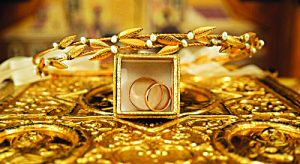
India’s Gems & Jewellery Sector Eyes a Dazzling US$ 75 Billion Milestone by 2030
Recent export performance signals both resilience and potential. During FY26 (April–August 2025), gems and jewellery exports crossed ₹95,000 crore (approximately US$ 11 billion), demonstrating steady global demand despite volatile market conditions. The industry remains one of India’s most visible global brands, supplying everything from cut and polished diamonds to intricately crafted gold and platinum jewellery.
A Strategic Export Engine
The sector contributes roughly 7% to India’s GDP and accounts for nearly 16% of the country’s total merchandise exports, making it one of the largest export categories after petroleum and engineering goods. In FY25 alone, exports stood at approximately US$ 28.5 billion — a substantial figure, yet one that also highlights the distance to the US$ 75 billion target.
Key global markets continue to anchor India’s export strength. The United States and the United Arab Emirates remain dominant buyers, followed by hubs such as Hong Kong and Belgium. Emerging and diversified trade relationships with countries including Australia, Israel, the United Kingdom and others are helping spread geographic risk and expand market reach.
The Surat Advantage and Western Dominance
Western India continues to serve as the backbone of the industry, contributing nearly three-fourths of total exports. Surat, in particular, stands tall as the world’s leading diamond processing hub. The city’s dense network of organised manufacturers and exporters gives India an unmatched scale advantage in diamond cutting and polishing — a segment in which the country processes more than 90% of global volume.
This manufacturing concentration has allowed India to maintain cost competitiveness while also upgrading technology and precision standards.
Policy Push and Structural Reform
The Government of India has intensified its policy support to accelerate growth. Measures such as reduced import duties on gold and polished diamonds, mandatory hallmarking to improve consumer trust, and revamped gold monetisation initiatives aim to formalise and strengthen the value chain.
Financial backing has also been enhanced for micro, small and medium enterprises, which constitute over 90% of the sector. Credit guarantee cover for MSMEs through mechanisms like the Credit Guarantee Fund Trust for Micro and Small Enterprises is intended to improve access to collateral-free funding and stimulate expansion.
Additionally, the Gems Jewellery Export Promotion Council (GJEPC) continues to organise global exhibitions, buyer-seller meets and trade events to promote Indian craftsmanship worldwide. The establishment of the India Jewellery Exposition (IJEX) centre in Dubai represents a strategic move to strengthen presence in one of the world’s most dynamic gold trading hubs.
The Next Growth Frontier: Design and Lab-Grown Diamonds
To move from volume-driven growth to value-led expansion, the focus is shifting toward innovation. Policymakers are encouraging the creation of patented jewellery designs, product diversification and deeper global collaboration. One of the most promising segments is lab-grown diamonds — a rapidly expanding category that offers sustainability advantages and cost efficiency.
As global consumer preferences evolve toward ethical sourcing and transparency, India’s early positioning in lab-grown diamond manufacturing could offer a competitive edge.
Global Standing and the Road Ahead
India currently accounts for over 3% of global gems and jewellery exports and ranks among the world’s leading exporters. Its dominance in cut and polished diamonds remains unmatched. Yet, to meet the 2030 target, the sector must address challenges including fluctuating gold prices, shifting consumer demand, and rising competition from other manufacturing hubs.
The US$ 75 billion goal is ambitious but achievable — provided structural reforms, market diversification, design innovation and branding initiatives continue in tandem. With sustained policy support, technological modernisation and strategic global outreach, India’s gems and jewellery industry appears poised not merely to grow, but to redefine its global footprint.
The next decade will determine whether India transitions from being the world’s processing powerhouse to becoming its undisputed design and value leader as well.
