

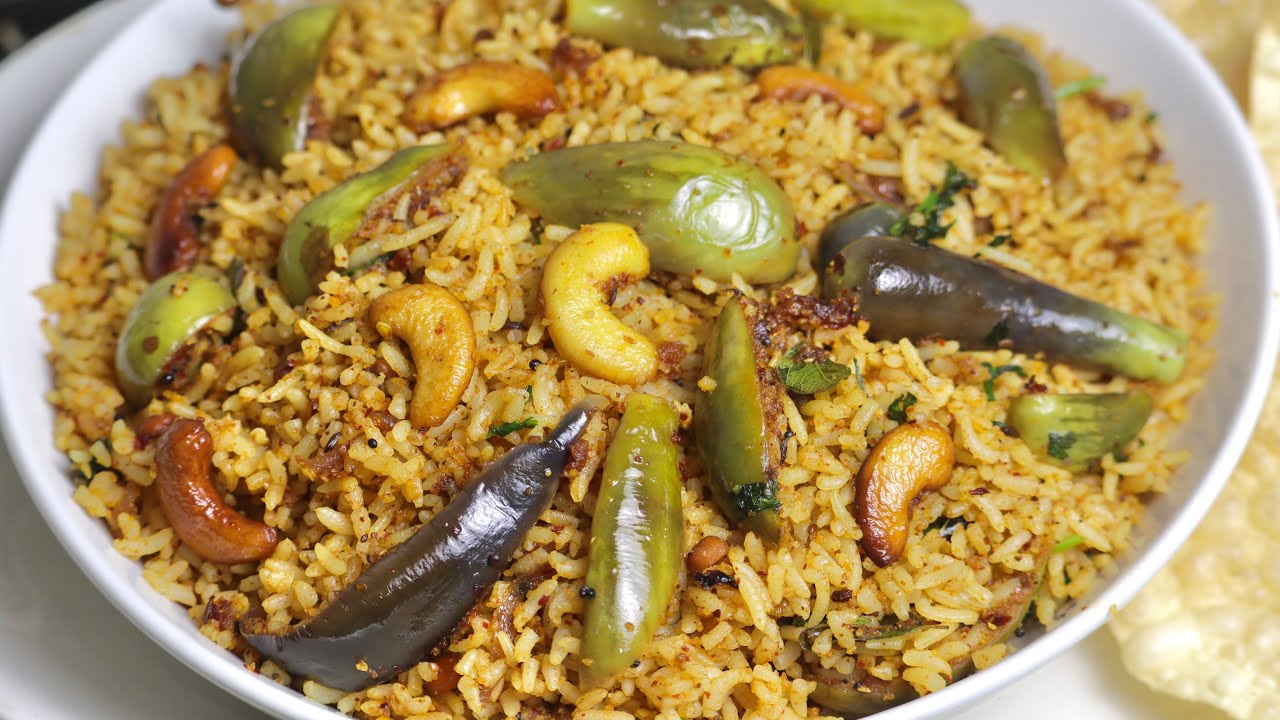
Vangi Bhaat, a quintessential rice dish from Maharashtra, is a delightful blend of brinjals (eggplants) and aromatic spices. This dish, deeply rooted in Maharashtrian cuisine, has found its way into the hearts and kitchens of many across India. In this feature, we will explore the origins of Vangi Bhaat, its regional variants, and its cultural significance.
Origins of Vangi Bhaat
The origins of Vangi Bhaat can be traced back to the Maratha Empire. It was a staple dish prepared during war campaigns due to its simplicity, nutritional value, and ease of preparation. The dish could be cooked in pots placed on underground fires, ensuring that the light would not be visible to the enemy. This method of cooking made it an ideal meal for soldiers, providing them with the energy needed for battle while remaining undetected.
Traditional Recipe
Vangi Bhaat is traditionally prepared using long, slender brinjals, rice, and a unique blend of spices. The key to its distinct flavor lies in the Vangi Bhaat masala, a spice mix that includes coriander seeds, cumin seeds, sesame seeds, and dried red chilies.
To prepare Vangi Bhaat, the brinjals are sliced and sautéed with mustard seeds, turmeric, and asafoetida. The rice is then added along with the Vangi Bhaat masala and cooked until the flavors meld together. The dish is typically garnished with fresh coriander leaves and served with raita or yogurt.
Regional Variants
While Vangi Bhaat is a Maharashtrian specialty, its popularity has led to the creation of several regional variants across India. Each variant reflects the local ingredients and culinary traditions of the region.
- Karnataka’s Vangi Bath: In Karnataka, Vangi Bath is a beloved dish that shares similarities with its Maharashtrian counterpart. However, the Karnataka version often includes tamarind pulp, which adds a tangy flavor to the dish. The use of green brinjals and a special Vangi Bath masala, which includes coconut and coriander, sets it apart.
- Tamil Nadu’s Kathirikai Sadam: In Tamil Nadu, Vangi Bhaat is known as Kathirikai Sadam. This version is similar to the Maharashtrian recipe but often includes additional ingredients like onions and tomatoes. The use of freshly ground spices and the addition of curry leaves give it a distinct South Indian flavor.
- Andhra Pradesh’s Vankaya Annam: In Andhra Pradesh, Vangi Bhaat is called Vankaya Annam. This variant is spicier and includes a generous amount of red chili powder. The dish is often garnished with roasted peanuts, adding a crunchy texture.
- Gujarati Ringan Nu Shaak: In Gujarat, a variant of Vangi Bhaat is known as Ringan Nu Shaak. This dish uses a mix of spices typical to Gujarati cuisine, including mustard seeds, fenugreek seeds, and a hint of jaggery for sweetness. The dish is often served with steamed rice or as a side with rotis.
- Bengali Begun Bhaat: In Bengal, a similar dish called Begun Bhaat is popular. This variant is milder and uses mustard oil for cooking, giving it a distinct flavor. The dish is often accompanied by a variety of fish or meat curries, reflecting the Bengali love for non-vegetarian food.
- Punjabi Baingan Chawal: In Punjab, a variant called Baingan Chawal is enjoyed. This version uses a rich blend of spices typical to Punjabi cuisine, including garam masala and an extra dose of ghee. The dish is hearty and often enjoyed with a side of tangy pickles.
Cultural Significance
Vangi Bhaat is more than just a delicious dish; it holds cultural significance in various regions of India. In Maharashtra, it is often prepared during festivals and special occasions. The dish is considered auspicious and is a staple in traditional Maharashtrian feasts.
In Karnataka, Vangi Bath is a popular choice for lunchboxes and picnics. Its easy preparation and robust flavors make it a favorite among families. The dish is also a common offering during religious ceremonies and temple festivals.
In Tamil Nadu, Kathirikai Sadam is often prepared during the Tamil month of Aadi and offered to deities during religious rituals. The dish is also a popular choice for family gatherings and festive celebrations.
Impact on Indian Cuisine
The popularity of Vangi Bhaat has transcended regional boundaries, making it a beloved dish across India. Its versatility and adaptability have allowed it to be incorporated into various culinary traditions. The dish’s unique blend of spices and flavors has inspired chefs and home cooks alike to experiment and create new variations.
Vangi Bhaat’s influence can be seen in the rise of fusion dishes that combine traditional Indian flavors with modern culinary techniques. For example, Vangi Bhaat risotto, a fusion of Italian and Indian cuisines, has become a popular dish in contemporary Indian restaurants.
Conclusion
Vangi Bhaat is a testament to the rich culinary heritage of India. Its journey from the kitchens of Maharashtra to the dining tables across the country is a reflection of India’s diverse and vibrant food culture. Whether enjoyed in its traditional form or as a modern fusion dish, Vangi Bhaat continues to delight and inspire food lovers everywhere.