

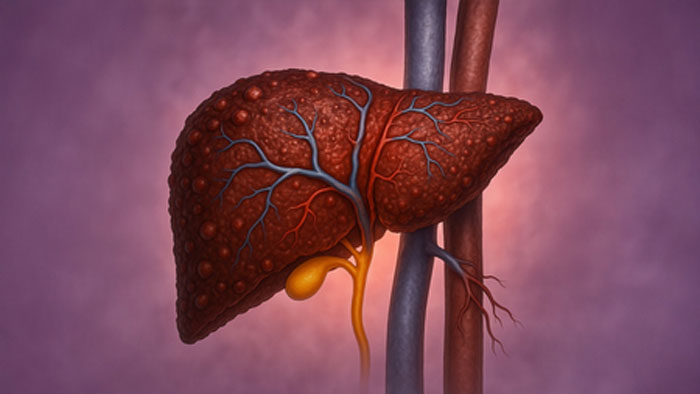
Fatty liver has become a common but serious problem in today’s world. This disease often progresses silently, and by the time a person becomes aware of it, the condition becomes serious.
Fatty liver means that excess fat accumulates in the liver. If this fat exceeds 5-10 percent of the liver’s total weight, it is called fatty liver. In Ayurveda, this condition is called liver-medoroga, in which the liver’s agni (fire) weakens and fat is not properly digested.
The main causes of fatty liver include excessive alcohol consumption, obesity, a habit of eating high-fat, fried, or fast food, diabetes and insulin resistance, low physical activity, excessive use of certain medications, stress, and irregular routines. These factors put additional pressure on the liver and affect the body’s biological clock. According to Ayurveda, when body fat accumulates and the digestive fire weakens, the liver cells are unable to break down the fat, leading to fatty liver.
Fatty liver is called a silent disease because it can gradually worsen. Early detection and lifestyle changes can prevent it. Regular exercise, a balanced diet, and a stress-free lifestyle can prevent fatty liver and maintain liver function.
Home remedies are also effective in controlling fatty liver. First, consuming amla (Indian gooseberry) is important, as it detoxifies the liver and strengthens the digestive fire. Drinking amla juice daily on an empty stomach is beneficial. Consuming turmeric also reduces liver inflammation. Drinking turmeric mixed with lukewarm milk at night is beneficial. Triphala powder helps cleanse the liver and relieve constipation. Additionally, herbs like neem and giloy detoxify the liver. Eating papaya and garlic also reduces the burden on the liver and is beneficial for fatty liver.
Lifestyle changes are also important. Walking, yoga, pranayama, and meditation should be done for at least 30 minutes daily. Avoid alcohol and smoking completely, and limit oily, spicy, and junk foods. Practice meditation and pranayama to reduce stress. Include green vegetables, seasonal fruits, whole grains, and protein-rich foods in your diet. Avoid sugary beverages like cold drinks and packaged juices, and drink plenty of water.