



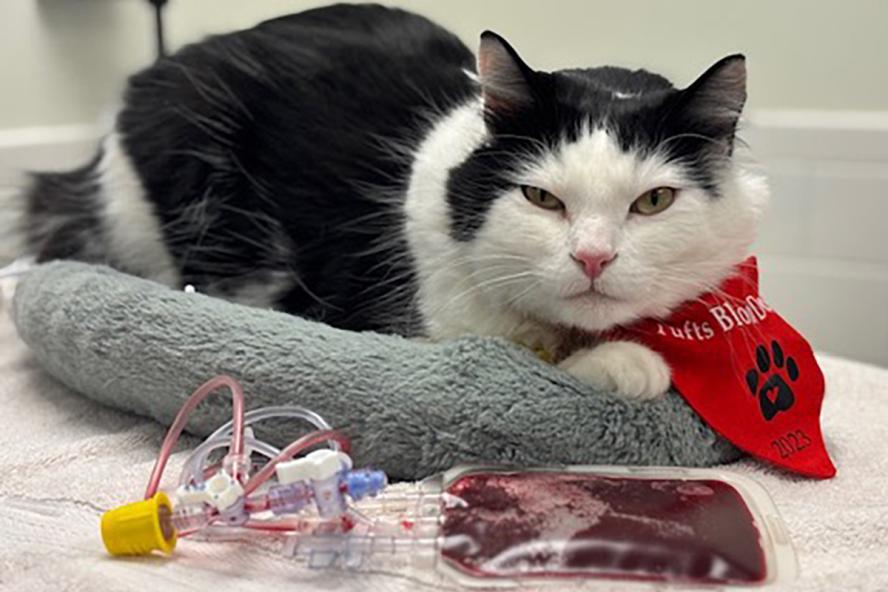
India has released its first-ever national guidelines and standard operating procedures for animal blood transfusion and veterinary blood banks, marking a transformative step in veterinary healthcare. Spearheaded by the Department of Animal Husbandry and Dairying under the Ministry of Fisheries, Animal Husbandry and Dairying, the framework introduces a structured, ethical, and scientifically rigorous approach to transfusion medicine for animals.
Until now, animal blood transfusions in India were largely ad hoc, performed in emergencies without standardised donor screening, blood typing, or storage protocols. The new guidelines address this gap by establishing biosafety-compliant veterinary blood banks regulated at the state level, mandating blood typing and cross-matching to prevent incompatibility reactions, and setting donor eligibility criteria based on health, vaccination status, age, weight, and disease screening.
The guidelines promote voluntary, non-remunerated donations and informed consent, supported by a Donor Rights Charter. They integrate One Health principles to manage zoonotic risks and include standardised forms and checklists for donor registration, transfusion monitoring, and adverse reaction reporting. A roadmap has been laid out for a National Veterinary Blood Bank Network featuring digital registries, real-time inventories, and an emergency helpline.
The initiative also embeds transfusion protocols into veterinary education, with modules for undergraduate, postgraduate, and continuing veterinary training. Future-ready innovations such as mobile blood collection units, cryopreservation for rare blood types, donor-recipient matching apps, and advanced transfusion research are encouraged.
India’s livestock and companion animal population exceeds 537 million and 125 million respectively, contributing Rs 11 trillion to the national GDP and over 30% to agricultural GDP. With rising demand for emergency veterinary care, the guidelines aim to strengthen clinical outcomes, safeguard rural livelihoods, and elevate animal welfare standards nationwide. Developed through consultations with the Veterinary Council of India, veterinary universities, ICAR institutes, state governments, and field experts, the document will remain dynamic, evolving with scientific evidence and stakeholder feedback.
