

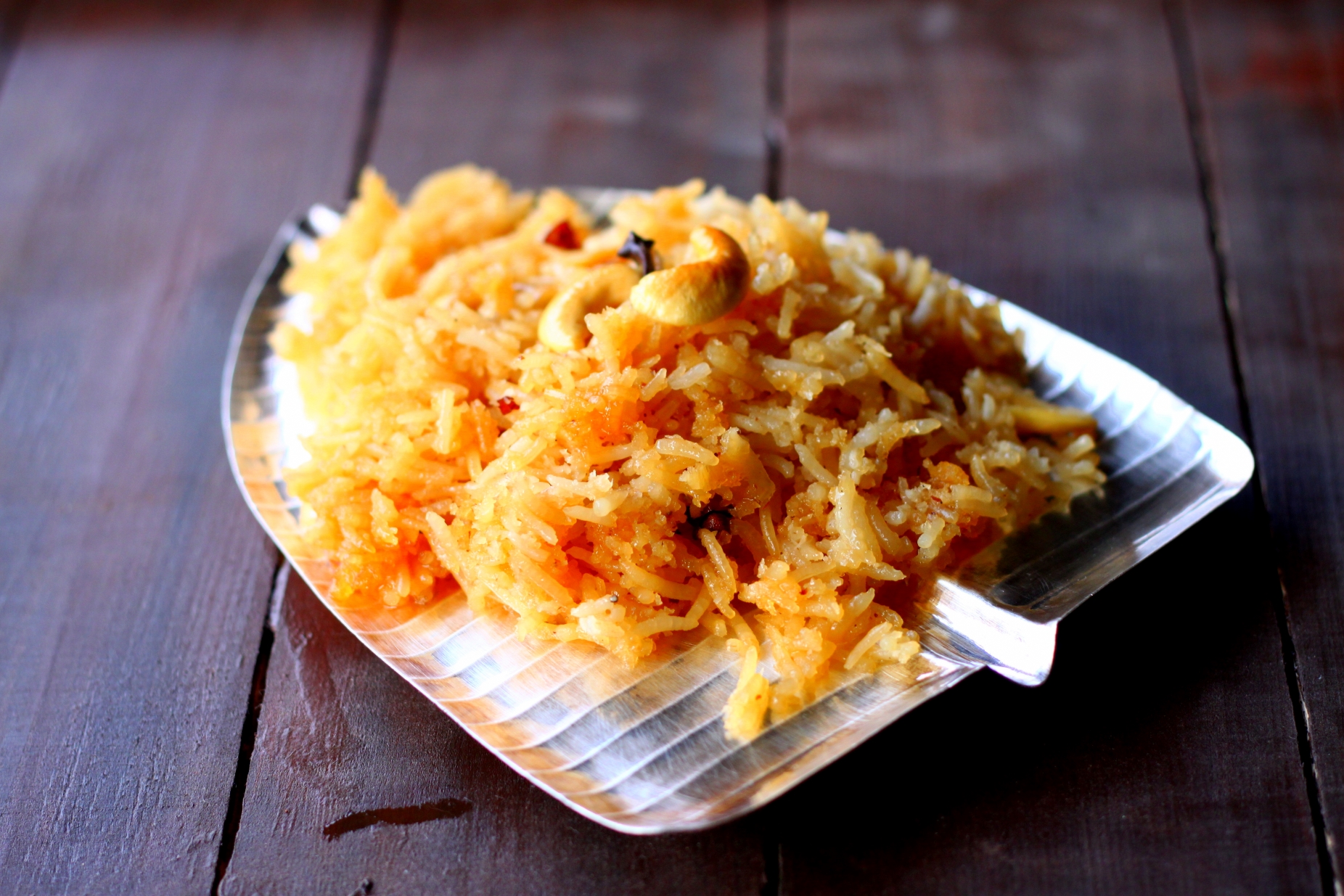
Narali Bhaat, a fragrant and festive coconut rice dish, is far more than a culinary delight—it is a sacred offering, a cultural emblem, and a spiritual invocation deeply woven into the coastal traditions of India. Prepared especially on Narali Poornima, the full moon day of the Shravan month, Narali Bhaat embodies gratitude to the sea, reverence for nature, and the joy of community celebration. Across Maharashtra, Goa, coastal Karnataka, and parts of Kerala, this dish is not merely eaten—it is ritualized, shared, and remembered.
This article explores the spiritual, cultural, and culinary dimensions of Narali Bhaat, its regional variants, symbolic meanings, and the traditional recipe that continues to unite generations in devotion and flavor.
🌕 Narali Poornima: The Festival Behind the Dish
Narali Poornima marks the end of the monsoon and the beginning of the seafaring season for fishing communities along India’s western coast. On this day, fishermen offer coconuts to the sea, praying to Varun Dev—the Vedic god of oceans—for protection and prosperity. Boats are decorated, nets are blessed, and the community gathers in vibrant celebration.
Narali Bhaat is the centerpiece of the festive meal. It is prepared as prasad (sacred offering) and shared among family and neighbors. The coconut, central to the dish, symbolizes purity, fertility, and divine energy. Offering coconut-based dishes is believed to appease the sea god and ensure safe voyages and abundant catches.
🥥 Cultural Significance Across Regions
While Narali Bhaat is most closely associated with Maharashtra, its essence resonates across coastal India, each region adding its own flavor and ritual.
- Maharashtra: In Mumbai and Konkan, Narali Bhaat is prepared with jaggery, fresh coconut, and aromatic spices. It is offered during puja and served as part of a festive thali. The Koli community, Mumbai’s original fisherfolk, treats it as a sacred tradition.
- Goa: Known for its rich coconut-based cuisine, Goan households prepare a similar dish called “Sakhar Bhaat” or “Taushe Bhaat,” often using palm jaggery and adding hints of nutmeg and cloves.
- Karnataka: In coastal Karnataka, especially among the Tulu and Konkani-speaking communities, coconut rice is prepared with a mix of sweet and savory elements, sometimes incorporating turmeric and mustard seeds.
- Kerala: While Narali Poornima is not widely celebrated, Kerala’s Onam festival features “Thenga Choru,” a coconut rice dish that shares similarities in preparation and spiritual intent.
Each variant reflects local ingredients, seasonal rhythms, and devotional practices, but the core remains the same: coconut as a conduit of divine blessing.
🧘 Spiritual Symbolism of Coconut and Rice
Narali Bhaat is steeped in symbolism. Coconut, often called “Shriphal” (fruit of prosperity), is considered a sattvic (pure) food in Hindu tradition. It is used in almost every religious ritual—from temple offerings to wedding ceremonies—because it represents the three eyes of Lord Shiva and the trinity of creation, preservation, and destruction.
Rice, too, is sacred. It signifies sustenance, fertility, and abundance. When combined with coconut and jaggery, the dish becomes a trinity of nourishment, sweetness, and purity—an edible prayer offered to the divine.
The act of preparing Narali Bhaat is itself a ritual. Women often begin by cleaning the rice meticulously, grating fresh coconut with care, and cooking the dish while chanting mantras or playing devotional music. The aroma that fills the home is not just culinary—it is spiritual.
🍚 Traditional Recipe: How to Make Authentic Narali Bhaat
Here is a classic Maharashtrian-style Narali Bhaat recipe, traditionally prepared on Narali Poornima.
Ingredients:
- Basmati rice – 1 cup
- Grated fresh coconut – 1 cup
- Jaggery (crushed or grated) – 3/4 cup (adjust to taste)
- Ghee – 2 tablespoons
- Cardamom powder – 1/2 teaspoon
- Cloves – 2
- Cashews – 10
- Raisins – 10
- Saffron strands – a pinch (optional)
- Water – 2 cups
- Salt – a tiny pinch (optional, to balance sweetness)
Method:
- Wash and soak the rice for 30 minutes. Drain.
- Heat ghee in a heavy-bottomed pan. Add cloves, cashews, and raisins. Sauté until golden.
- Add the soaked rice and sauté for 2–3 minutes until aromatic.
- Pour in water and cook the rice until 90% done.
- In a separate pan, melt jaggery with a tablespoon of water. Strain to remove impurities.
- Add the jaggery syrup, grated coconut, cardamom powder, and saffron to the rice. Mix gently.
- Cover and cook on low heat for 5–7 minutes until the flavors meld and the rice is fully cooked.
- Let it rest for 10 minutes before serving.
Narali Bhaat is best served warm, garnished with extra coconut and dry fruits. It pairs beautifully with a light savory dish like cucumber raita or plain yogurt to balance the sweetness.
🍽️ How to Relish Narali Bhaat the Traditional Way
Relishing Narali Bhaat is not just about taste—it’s about context. Traditionally, it is served on banana leaves, which are considered pure and eco-friendly. Families gather after the Narali Poornima puja, and the dish is offered first to the deity, then shared among all members.
Eating with hands is encouraged, as it enhances sensory connection and mindfulness. The first bite is often taken in silence, as a gesture of gratitude. Elders bless the younger members, and stories of past festivals are shared, reinforcing cultural memory.
In modern homes, Narali Bhaat may be served in steel thalis or ceramic bowls, but the essence remains unchanged. It is a dish to be eaten slowly, with reverence and joy.
🍴 Contemporary Twists and Variants
While the traditional recipe remains beloved, chefs and home cooks have begun experimenting with Narali Bhaat, adapting it to modern palates and dietary preferences.
- Vegan Narali Bhaat: Replace ghee with coconut oil for a fully plant-based version.
- Low-Glycemic Variant: Use brown rice and palm jaggery for a healthier twist.
- Fusion Style: Add orange zest, star anise, or rose water for a gourmet touch.
- Savory Coconut Rice: Skip jaggery and add green chilies, curry leaves, and mustard seeds for a spicy version.
These innovations keep the tradition alive while making it accessible to younger generations and global audiences.
🌊 Narali Bhaat as Cultural Memory and Identity
For many coastal families, Narali Bhaat is more than a dish—it is a memory. It evokes images of monsoon skies clearing, boats being launched, children running with coconuts, and elders performing rituals by the sea. It is a taste of home, of heritage, of belonging.
In urban settings, where traditions risk dilution, Narali Bhaat serves as a culinary anchor. It reminds people of their roots, their ancestors, and the rhythms of nature. It is often the first dish taught to children during festival season, passing down not just a recipe but a worldview.
📿 Final Reflections: A Dish That Nourishes the Soul
Narali Bhaat is a testament to how food can transcend the plate. It is a sacred offering, a cultural celebration, and a spiritual experience. Whether prepared in a humble village kitchen or a modern apartment, it carries the same essence—gratitude, devotion, and joy.
As Narali Poornima approaches each year, the preparation of Narali Bhaat becomes a ritual of renewal. It invites us to pause, reflect, and reconnect—with nature, with tradition, and with each other. In every grain of rice and shred of coconut lies a story of faith, resilience, and sweetness.
So when you next prepare or taste Narali Bhaat, remember: you are partaking in centuries of coastal wisdom, spiritual symbolism, and culinary grace. It is not just food—it is India, served warm and fragrant, on a full moon night.