

On August 8, 2025, India celebrates two deeply symbolic festivals—Raksha Bandhan and Narali Poornima—each rooted in ancient tradition, yet vibrantly alive in contemporary culture. Though distinct in origin and ritual, both festivals converge on the full moon day of the Hindu month of Shravan, weaving together themes of protection, gratitude, and spiritual renewal. Across the country, from bustling cities to coastal hamlets, the day resonates with sacred threads, coconut offerings, and the reaffirmation of bonds—between siblings, communities, and nature itself.
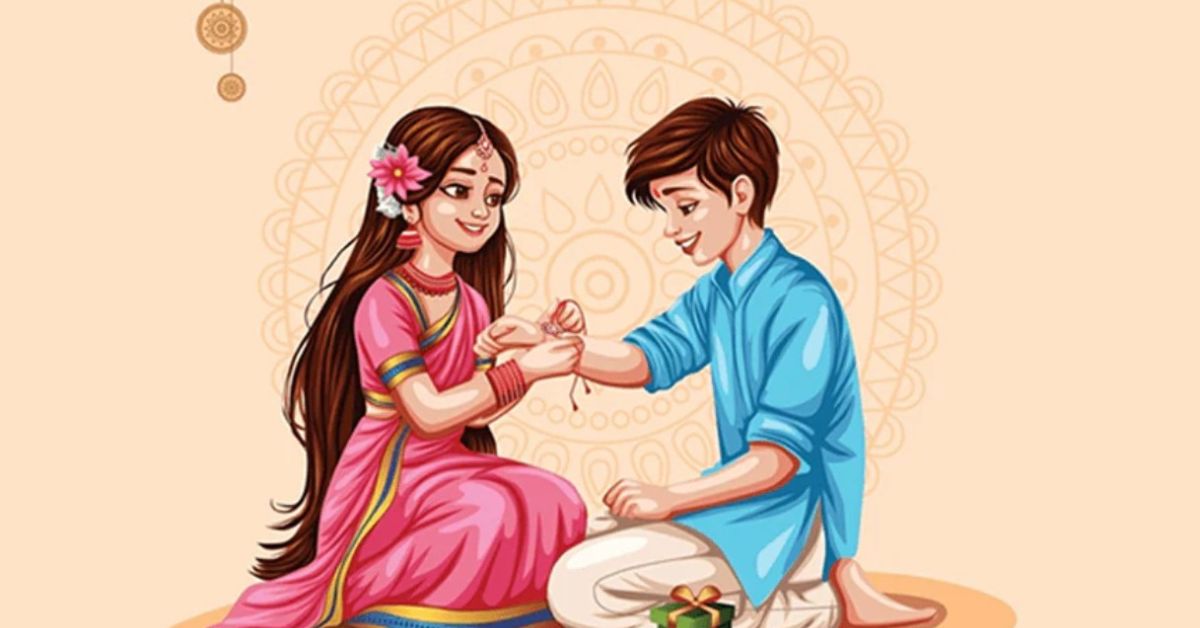
Raksha Bandhan, literally meaning “the bond of protection,” is one of India’s most cherished festivals. Traditionally, it celebrates the relationship between brothers and sisters, where sisters tie a rakhi—a decorative thread—on their brothers’ wrists, invoking blessings for their well-being. In return, brothers pledge to protect their sisters and often offer gifts as tokens of love. But Raksha Bandhan is far more than a familial ritual; it is a cultural expression of trust, duty, and emotional solidarity.
The rakhi itself has evolved over centuries. Once a simple thread sanctified with prayers, today it comes in myriad forms—silken cords, beaded bands, eco-friendly designs, and even digital rakhis for siblings separated by distance. In some regions, sisters also tie rakhis to cousins, friends, and even soldiers, extending the sentiment of protection beyond blood ties. In recent years, the festival has taken on broader social meanings, with women tying rakhis to trees, symbolizing a pledge to protect the environment, or to police officers and frontline workers as a gesture of gratitude.
Historically, Raksha Bandhan finds mention in several legends. One of the most enduring is the story of Draupadi and Krishna. When Krishna injured his finger, Draupadi tore a piece of her sari to bandage the wound. Moved by her gesture, Krishna vowed to protect her always—a promise he fulfilled during her humiliation in the Kaurava court. Another tale recounts how Queen Karnavati of Mewar sent a rakhi to Mughal Emperor Humayun, seeking protection for her kingdom. These stories underscore the festival’s spiritual depth and its role in forging alliances and moral commitments.
In Maharashtra, Gujarat, and parts of coastal Karnataka and Goa, Raksha Bandhan coincides with Narali Poornima—a festival celebrated by fishing communities to honour the sea and seek its blessings. “Narali” refers to coconut, and “Poornima” to the full moon. On this day, fishermen offer coconuts to the sea, praying for safety, prosperity, and a bountiful fishing season. The ritual marks the end of the monsoon and the beginning of the seafaring cycle, when boats are freshly painted, nets are repaired, and the community gathers in festive spirit.
Narali Poornima is deeply spiritual. The sea is revered as a manifestation of Varuna, the Vedic god of oceans and cosmic order. Offerings of coconuts—considered pure and auspicious—are made with chants and prayers, often accompanied by traditional music and dance. Women dress in vibrant saris, prepare coconut-based sweets like naralachi karanji and narali bhaat, and participate in community feasts. The festival is also a time for collective gratitude, as families thank the sea for its sustenance and pray for protection from its unpredictable fury.
In Mumbai, the festival transforms the city’s coastline into a spectacle of colour and devotion. Fisherfolk from Koliwadas (fishing villages) gather at beaches and docks, performing rituals and launching their boats with ceremonial fervour. The Koli community, one of Mumbai’s oldest inhabitants, treats Narali Poornima as a cultural cornerstone, blending maritime tradition with religious observance. The day is also marked by folk performances, processions, and the rhythmic beats of dhol and lezim.
While Raksha Bandhan and Narali Poornima may appear unrelated, they share thematic resonance. Both festivals celebrate protection—Raksha Bandhan through interpersonal bonds, Narali Poornima through reverence for nature. Both involve offerings—threads and coconuts—as symbols of devotion. And both are anchored in the lunar calendar, reflecting the cyclical rhythms of Indian spirituality.
In modern India, these festivals continue to evolve. Raksha Bandhan has become a pan-Indian celebration, cutting across caste, religion, and geography. Schools organize rakhi-making competitions, NGOs distribute rakhis to soldiers at borders, and social media platforms buzz with sibling tributes. Narali Poornima, though more regionally concentrated, is gaining wider recognition as an ecological and cultural event, especially amid growing awareness of marine conservation.
The spiritual significance of these festivals lies in their ability to connect the individual to the collective, the personal to the cosmic. Raksha Bandhan reminds us that protection is not just a duty but a sacred bond. Narali Poornima teaches humility before nature and gratitude for its gifts. Together, they offer a moment of reflection—on relationships, responsibilities, and the unseen forces that sustain life.
As India celebrates Raksha Bandhan and Narali Poornima on August 8, 2025, the nation reaffirms its timeless values in a rapidly changing world. Whether through the gentle knot of a rakhi or the solemn offering of a coconut to the sea, the day invites every Indian to honour the ties that bind—between siblings, communities, and the divine.