
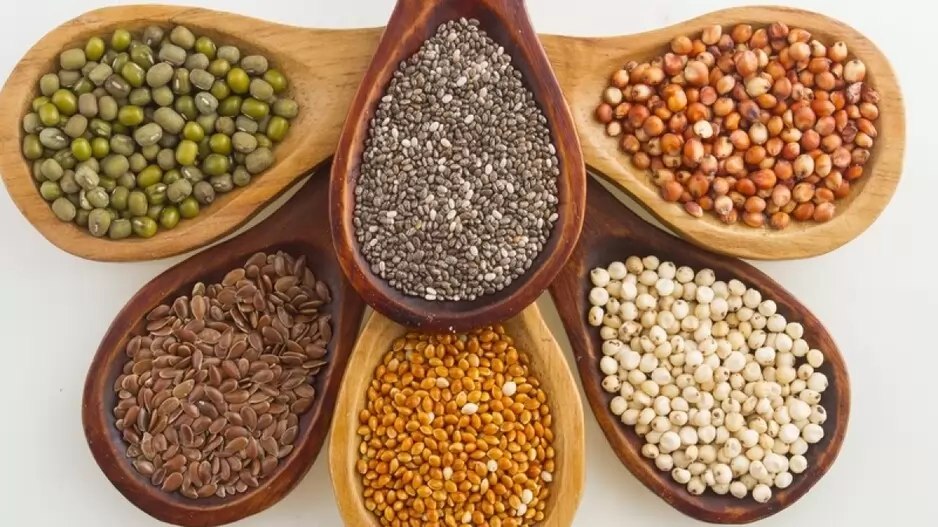
India’s pioneering role in creating a group standard for whole millet grains has earned formal recognition at the 88th Session of the Codex Executive Committee, held at the FAO Headquarters in Rome. The milestone follows the approval of the millet standard at CAC47 last year and reflects India’s chairmanship of the initiative, with Mali, Nigeria and Senegal serving as co-chairs. The terms of reference guiding this work were finalized at CCCPL11 in April 2025.
During the proceedings, India’s delegation—comprising representatives from the Ministry of Health and Family Welfare and the Food Safety and Standards Authority of India—participated as an elected member of the Codex Alimentarius Commission Executive Committee. The session was inaugurated by senior figures from FAO and WHO, including Godfrey Magwenzi and Jeremy Farrar, in the presence of Commission Chairperson Allan Azegele, Secretary Sarah Cahill, and elected delegates from member states.
CCEXEC88 also evaluated India’s leadership in developing new standards for fresh dates, as recommended by CCFFV23 earlier this year. India’s contribution was endorsed for formal adoption at CAC48 scheduled for November 2025. In addition to serving as chair for existing workstreams, India will also co-chair new standardization efforts focused on fresh turmeric and broccoli.
India played an active role in shaping the monitoring framework for the Codex Strategic Plan 2026–2031, where it recommended that performance indicators be outcome-based, measurable and deliberate. These SMART indicators are set for endorsement at CAC48. India also informed the committee about its regional capacity-building programs in countries like Bhutan, Nepal, Bangladesh, Sri Lanka and Timor Leste, which were acknowledged by the FAO for their impact and reach.
As chair of the Codex Committee on Spices and Culinary Herbs since 2014, India continues to advocate for greater participation by less active member countries through the Codex Trust Fund. Drawing on its CTF-supported mentorship and twinning programs with Bhutan and Nepal, India proposed incorporating these capacity-building models into strategic performance metrics.
The Indian delegation ensured that national priorities were communicated effectively, emphasizing India’s expanding role in global food standardization frameworks and knowledge diplomacy.