
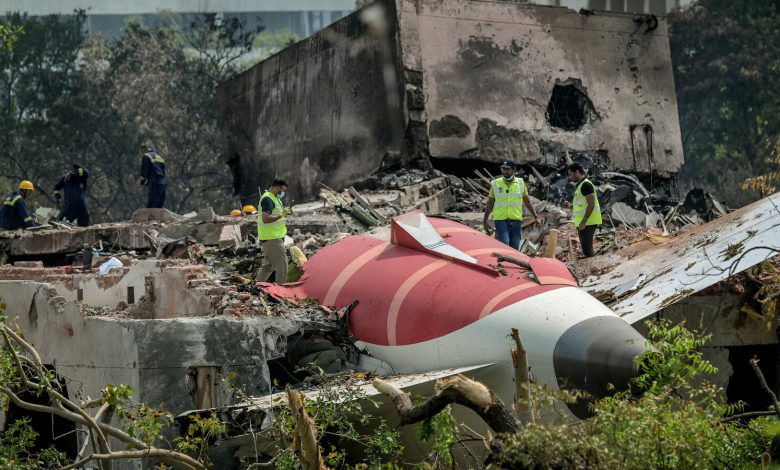
The recent reports by The Wall Street Journal and Reuters on the Air India Flight AI-171 crash have ignited widespread criticism across India’s aviation circles, with the Federation of Indian Pilots (FIP) alleging that both U.S.-based media outlets engaged in premature, speculative reporting that served to deflect scrutiny away from Boeing—the manufacturer of the aircraft—and instead cast unsubstantiated blame on the deceased Indian pilots. Legal notices have been served to both publications demanding apologies and retractions.
The articles, dated 17 July 2025, cited unnamed sources “familiar with U.S. officials’ early assessment” and claimed that the captain may have deliberately toggled off the fuel switches mid-flight, causing the crash. This narrative conflicts with the official Aircraft Accident Investigation Bureau (AAIB) preliminary findings, which confirmed that both switches were shut off and re-engaged within seconds, but offered no conclusions about intent or cause.
In the absence of verified data from the Flight Data Recorder and pending comprehensive analysis, these publications’ decision to attribute action to the pilot has been termed “defamatory” and “irresponsible.” More troubling is the fact that both media giants—The Wall Street Journal and Reuters—have historically maintained high editorial thresholds and rarely publish conjecture, especially involving ongoing investigations. That they chose to do so in this instance has led many to allege a calculated diversion from their established norms.
The selection of these outlets is being called strategic. The Wall Street Journal directly influences high-level policymakers, corporate leadership and regulatory minds. Reuters—whose syndicated content is paid for and republished globally—has systemic reach across hundreds of news platforms. The reports, critics argue, were not merely journalistic assessments but high-impact narratives tailored to shape discourse at the top.
This controversy takes on a sharper edge when viewed against the backdrop of multiple Boeing whistleblower tragedies. Two employees who raised safety concerns about Boeing’s aircraft manufacturing practices died under distressing circumstances in 2024.
The first, John Barnett, a former quality manager with over three decades at Boeing, had flagged serious production defects in oxygen systems and substandard components used in the 787 Dreamliner. Following sustained internal pressure, intimidation and isolation, Barnett developed PTSD and depression. A senior manager allegedly warned him, “I’m going to push you until you break.” He died by suicide in March 2024 while providing testimony in a whistleblower lawsuit against Boeing. His family has since filed a wrongful death claim alleging prolonged corporate harassment.
The second, Joshua Dean, was a quality auditor at Spirit AeroSystems, a Boeing supplier. He disclosed improper manufacturing practices in the 737 MAX bulkhead and accused managers of ignoring systemic safety lapses. Dean was abruptly terminated—he alleged retaliation—after filing complaints with federal regulators. In May 2024, he died following a rapid and fatal bacterial infection. His passing, though medically unrelated, occurred just months after the Alaska Airlines door plug incident confirmed the types of structural defects he had flagged.
These two deaths sent ripples through the aviation industry. Over 100 whistleblowers subsequently contacted the Federal Aviation Administration, citing systemic stonewalling and fear of reprisal. The narrative emerging from these cases paints a disturbing picture of what many view as a corporate culture resistant to transparency and hostile to dissent.
In this climate, the framing adopted by WSJ and Reuters—placing immediate spotlight on pilot behavior rather than aircraft integrity—appears, to critics, not merely speculative but convenient. By assigning fault early to a deceased crew member, who cannot defend themselves, and doing so before formal investigation conclusions, the coverage allegedly served to shield Boeing from renewed global scrutiny.
The FIP has demanded that both outlets issue formal disclaimers, halt speculative updates and respect investigative due process. India’s AAIB has also urged media restraint, while the U.S. National Transportation Safety Board described the articles as “premature and speculative.” The pilots’ families, still grieving, are now burdened by international insinuations that, many argue, lack journalistic rigour.
This incident has triggered a broader conversation on media ethics and the influence of corporate interests in global reporting. When institutions like The Wall Street Journal and Reuters allegedly deviate from their long-standing editorial codes in favor of narrative expediency, the implications go far beyond misreporting. These platforms shape regulatory sentiment, steer investor behavior and frame public discourse in ways that reverberate globally.
By placing speculative blame on an individual without conclusively ruled data—while omitting historical patterns of manufacturer-related failures—the coverage risks undermining both the dignity of the deceased and the objectivity of the investigation.
At the center of this storm is a fundamental question: can media institutions tasked with informing the public afford to compromise on accuracy when the stakes involve lives, safety records and powerful corporate actors? As India awaits final investigative findings, the focus is no longer just on what caused the crash, but on who controls the narrative—and why.