

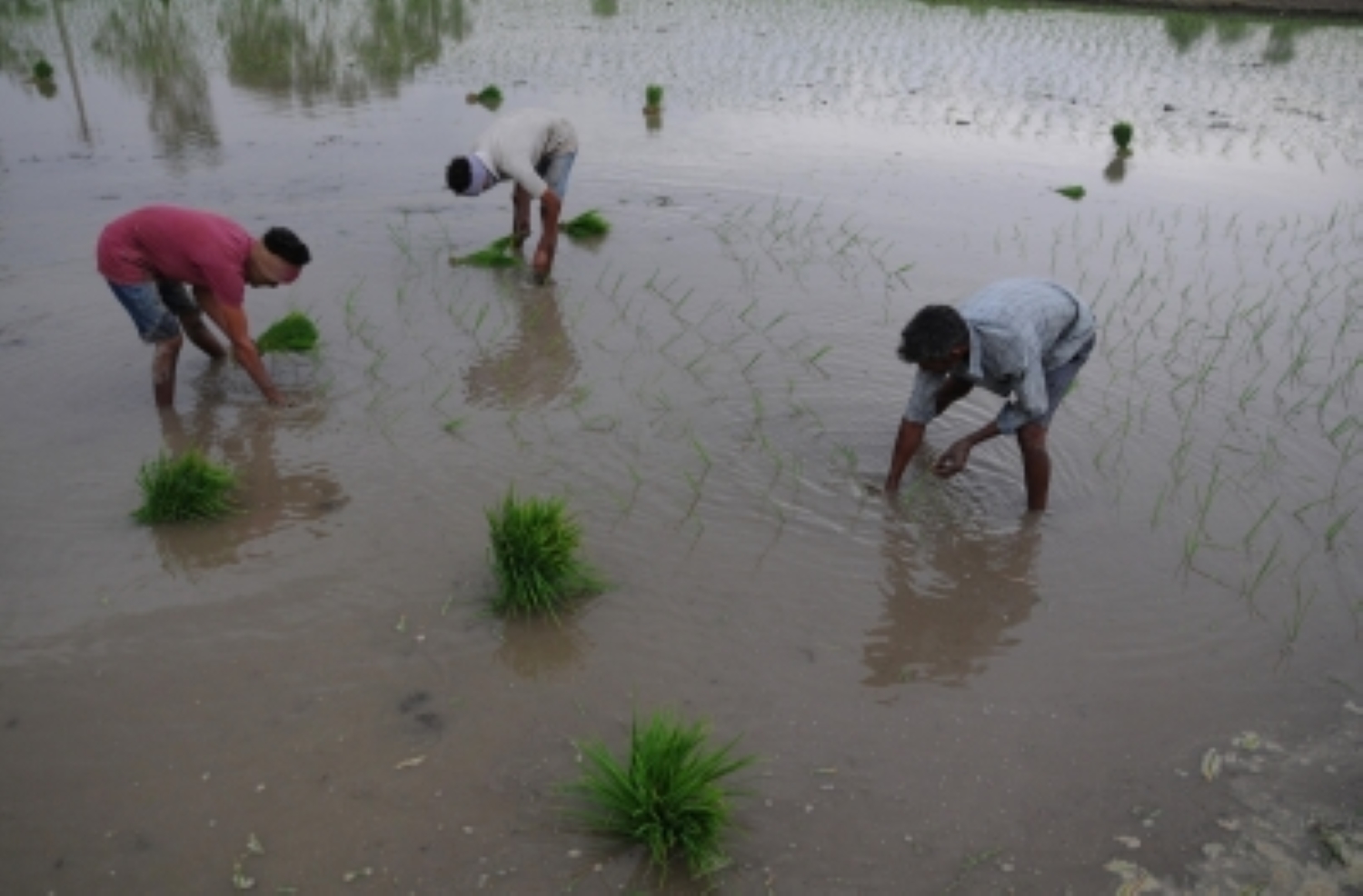
India’s agricultural and rural economy is poised for a strong rebound in the second half of FY26, with sectors such as tractors, agri-inputs, rural NBFCs, and consumer durables expected to see 10-15% year-on-year earnings growth, according to a report released Wednesday. The surge is contingent on above-average monsoon intensity and widespread rainfall distribution across key agrarian regions.
The report, published by smallcase manager GoalFi, highlights that a stable crop output and softening global prices are reinforcing optimism in rural liquidity and demand recovery. Additionally, a 25-basis-point reduction in the repo rate to 5.75% is widely anticipated in the June 6 policy decision, with a further cut to 5.50% by August if inflation remains below 4%. These rate cuts could provide a significant boost to rate-sensitive sectors such as housing, automobiles, and NBFCs.
Robin Arya, Founder and smallcase Manager at GoalFi, noted that India’s early monsoon arrival and decisive electoral outcome have set the stage for policy continuity, creating a stabilizing base for inflation control, rural consumption, and capex-led growth. He emphasized that sectoral rotation is underway, with rural-focused and rate-sensitive segments expected to outperform in the coming quarters.
The impact of a favorable monsoon is already visible in food inflation trends. In April 2025, CPI inflation fell to 3.16%, while food inflation dropped to just 1.78%, marking its lowest level in several years.
The broader equity market could also benefit from increased visibility on consumption, lower inflation, and monetary easing, potentially driving Nifty 50 returns in the range of 6–8% over the next two quarters, led by midcaps and rate-sensitive sectors.
Historically, a normal monsoon lifts rural incomes by 5–7%, triggering a ripple effect across consumption-linked sectors. FMCG majors are expected to see volume upticks in mass-market categories, while two-wheeler sales—particularly in entry-level motorcycles and scooters—are likely to recover. Rural NBFCs and microfinance lenders anticipate improved credit demand and repayment cycles, further strengthening the rural economy.
Additionally, the post-harvest festive season from August to October could accelerate discretionary spending across rural belts, reinforcing optimism for sustained economic growth in FY26.