
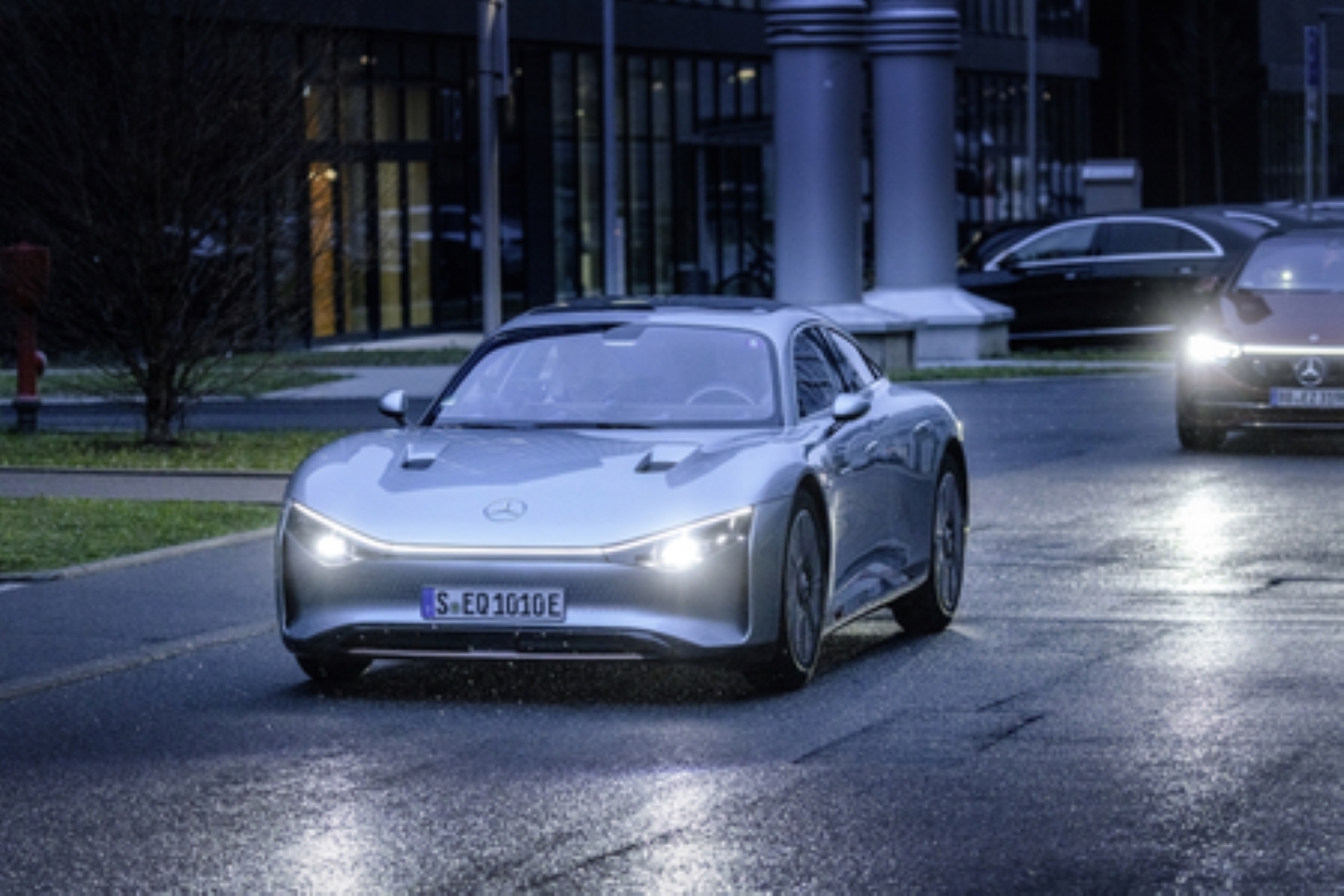
India’s push to become a global hub for electric vehicle production has gained momentum, with automakers Mercedes-Benz, Skoda-Volkswagen, Hyundai, and Kia expressing strong interest in setting up manufacturing units under the country’s new EV promotion scheme. Union Heavy Industries Minister H.D. Kumaraswamy confirmed Monday that these companies are exploring investment opportunities in India, while Tesla remains focused on retail expansion rather than local production.
The Scheme to Promote Manufacturing of Electric Passenger Cars in India (SPMEPCI) is set to open its application window soon, offering customs duty concessions to manufacturers willing to commit substantial investments. Approved companies will be allowed to import completely built-up electric four-wheelers valued at $35,000 or more at a reduced customs duty rate of 15% for five years, with import volumes capped at 8,000 vehicles per year.
To qualify for these benefits, automakers must invest a minimum of Rs 4,150 crore in domestic manufacturing and reach local sourcing targets of 25% within three years and 50% within five years. The policy allows carryover of unused import allocations, ensuring flexibility in scaling operations.
Meanwhile, Kumaraswamy downplayed the impact of higher U.S. steel tariffs, stating that India’s exports to the U.S. in this sector are limited and will only experience minor disruptions. President Donald Trump’s decision to double tariffs on steel and aluminum to 50% starting June 4 is expected to have minimal consequences for India’s industrial output.
India’s ambitious EV goals, targeting 30% passenger vehicle penetration, 80% two-wheeler and three-wheeler adoption, and 70% commercial fleet conversion by 2030, have positioned the country as a critical market for global automakers. With key manufacturers exploring entry, India’s EV ecosystem could see rapid expansion in the coming years.