
India has reaffirmed its commitment to advancing Traditional Medicine (TM) systems at the 78th World Health Assembly (WHA) in Geneva, held under the theme “One World for Health.” Representing India, Arindam Bagchi, Permanent Representative to the United Nations in Geneva, welcomed the adoption of the WHO Global Traditional Medicine Strategy 2025-2034, highlighting India’s leadership in embedding scientifically validated traditional practices into global healthcare frameworks.
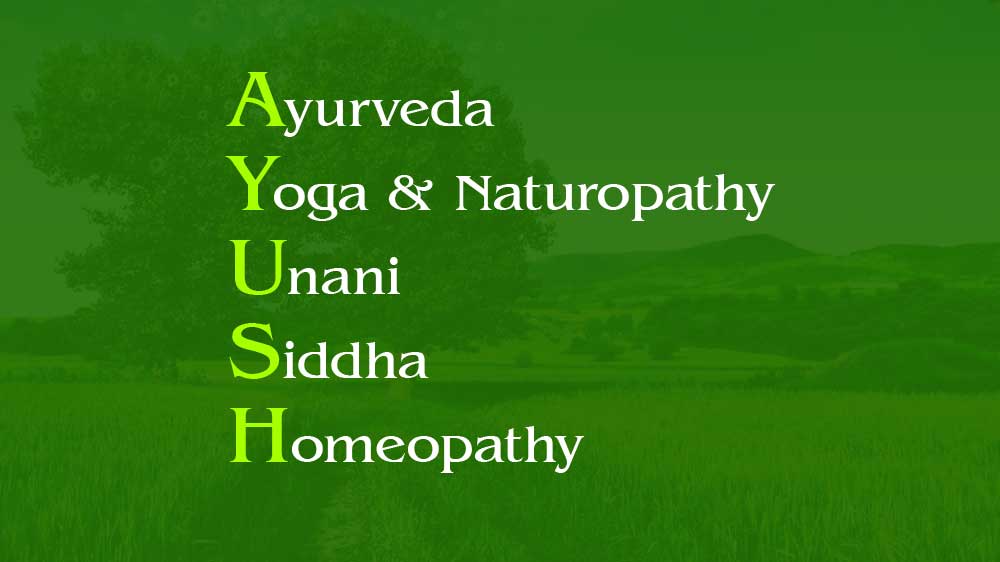
Under the leadership of Prime Minister Narendra Modi, India has championed the integration of modern medicine with Ayurveda, Yoga, Unani, and Siddha, providing a model for nations seeking evidence-based holistic healthcare. Bagchi emphasized India’s success in implementing the previous WHO Traditional Medicine Strategy (2014-2023) and pledged strong support for its successor framework.
India’s significant contribution to the global TM ecosystem is reflected in the establishment of the WHO Global Traditional Medicine Centre (GTMC) in Jamnagar, Gujarat. Launched in 2022 with India’s support and inaugurated by Modi and WHO Director-General Tedros Adhanom Ghebreyesus, the centre plays a pivotal role in data analytics, policy support, standard-setting, and research collaboration.
A major milestone this year was the signing of a Donor Agreement between the Ministry of Ayush and WHO on May 24, launching work on a Traditional Medicine module under the International Classification of Health Interventions (ICHI). Modi, in his Mann Ki Baat address, hailed this as a step toward global recognition of Ayush systems through scientific standardization.
Ayush Secretary Vaidya Rajesh Kotecha underscored India’s commitment to inclusive, safe, and evidence-based traditional healthcare, stating that the ICHI module would enhance scientific credibility, facilitate global integration of Ayush therapies, and ensure standardized recognition worldwide.
The WHO strategy encourages Member States to regulate TM services, integrate traditional medicine where appropriate, and uphold indigenous knowledge, biodiversity, and environmental sustainability. India’s initiatives strongly align with these principles, reinforcing its role as a global partner in advancing traditional medicine for universal health coverage and sustainable development.
India remains dedicated to supporting WHO and Member States in harnessing the full potential of Traditional Medicine to achieve global well-being and medical inclusivity.