

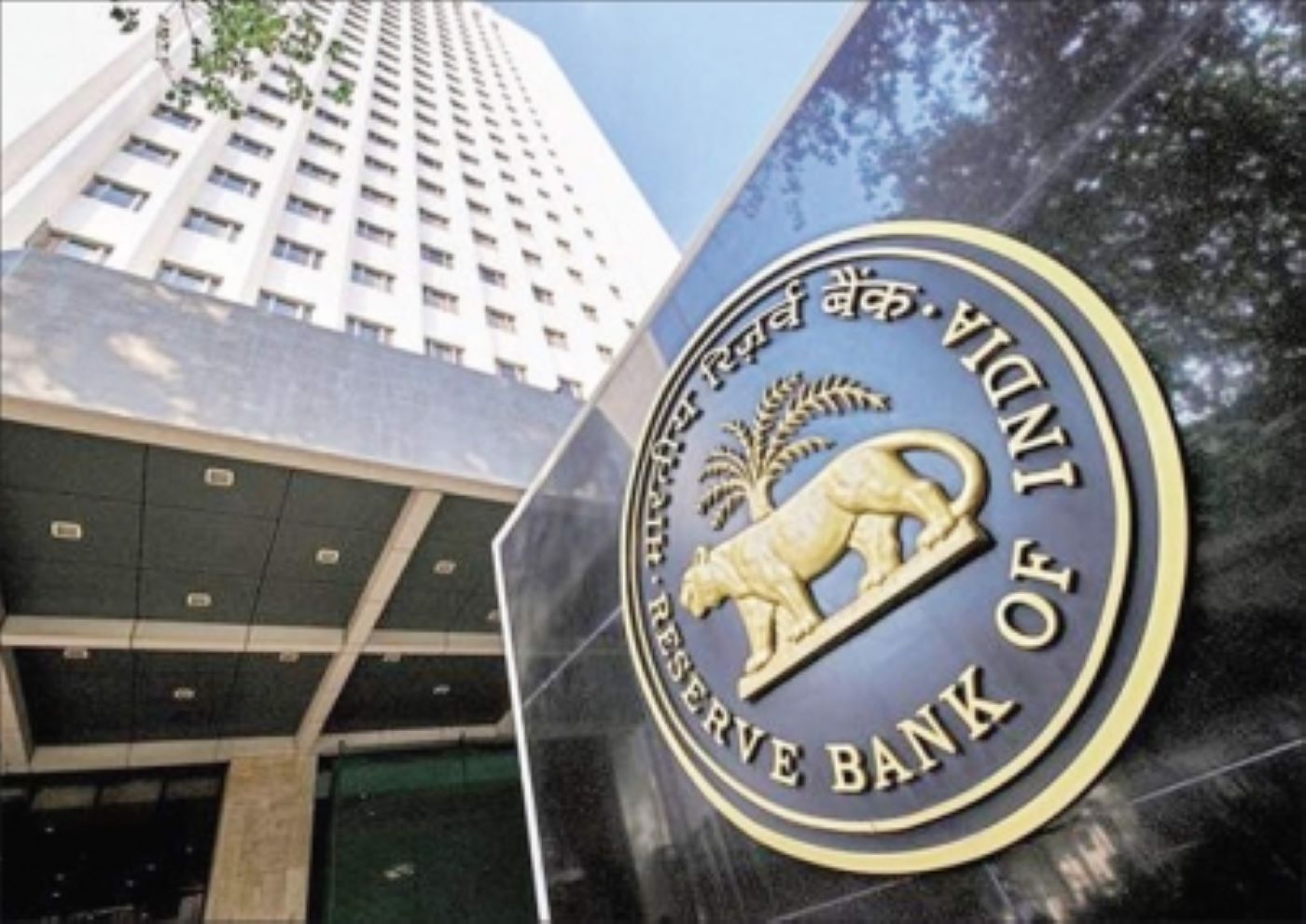
The Reserve Bank of India (RBI) has authorized its largest-ever dividend payout, transferring a staggering 2.69 trillion rupees ($32 billion) to the central government for fiscal year 2024-25. The dividend marks a 27.4% increase from last year’s record of 2.1 trillion rupees, boosting government coffers as policymakers focus on infrastructure investment and social welfare programs.
The substantial windfall is expected to help narrow India’s fiscal deficit while enabling the government to maintain spending on large-scale development projects. Analysts say the surplus revenue also strengthens India’s financial position amid concerns about slowing economic growth.
At a meeting on Friday, RBI officials also decided to increase the central bank’s contingency risk buffer (CRB) to 7.5% from 6.5%—a move aimed at safeguarding against financial shocks, including bad loans and currency fluctuations.
India’s central bank has seen its earnings soar in recent months, largely driven by foreign exchange transactions. Following a peak in foreign exchange reserves at $704 billion in September 2024, the RBI reportedly sold over $125 billion to stabilize the rupee amid sharp depreciation.
Government securities and interest on loans to banks also contributed to RBI’s revenue stream, alongside a dramatic increase in dollar sales. According to estimates, gross dollar sales reached $371.6 billion in fiscal 2025—more than double the previous year’s $153 billion.
Economists estimate that the dividend transfer will create fiscal space of about 0.1% to 0.2% of India’s GDP. The additional funds could help the government counter growth risks while ensuring flexibility for emergency spending if needed.
In addition to helping reduce the fiscal deficit, the RBI’s payout is expected to inject liquidity into India’s banking system, allowing financial institutions to extend more credit to businesses and consumers. With lending conditions expected to improve, policymakers hope the move will help drive economic expansion and job creation in the coming months.