

By S. Suchithra
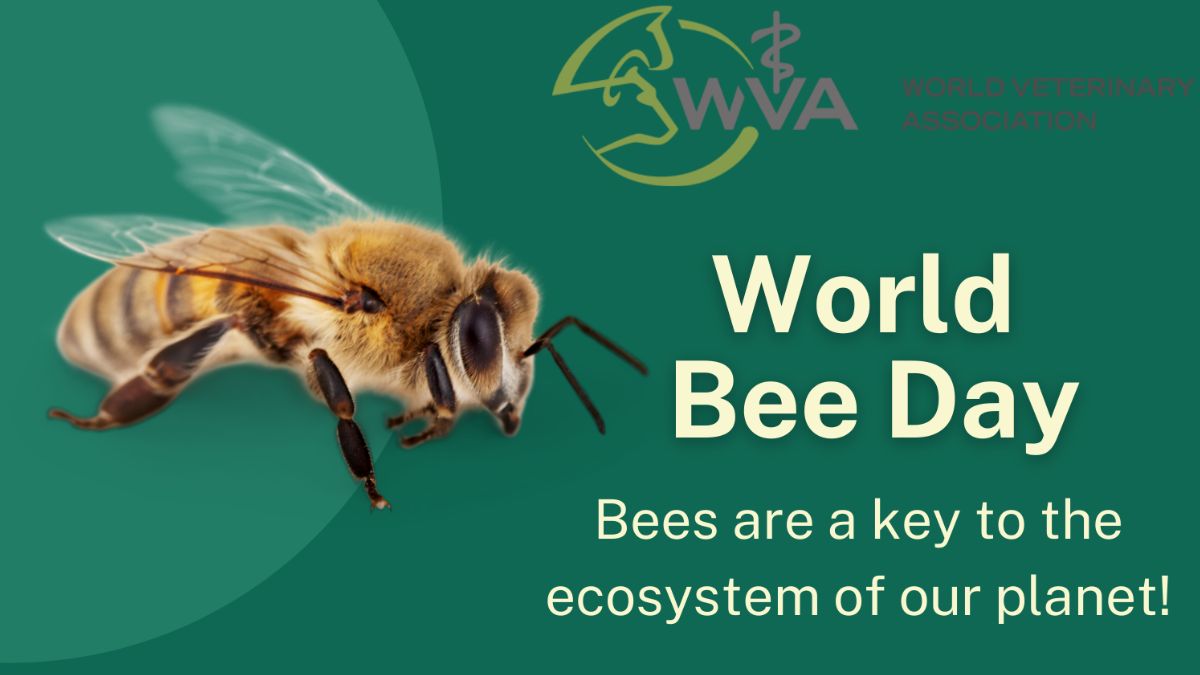
Across India, from the mango orchards of Uttar Pradesh to the apple farms of Himachal Pradesh, today is being marked with renewed urgency and reverence as the nation observes World Bee Day. With this year’s theme — “Bee Inspired by Nature to Nourish Us All” — the focus is firmly on how vital bees are to food security, ecological balance, and rural livelihoods.
The Tiny Pillars of Indian Agriculture
Bees, particularly native species such as Apis cerana indica, are fundamental to India’s agrarian backbone. Nearly 70 percent of the country’s crops depend directly or indirectly on pollination. Crops like mustard, sunflower, cotton, pulses, fruits, and vegetables benefit substantially from bee activity. In many documented cases, crop yields have seen increases of 30 to 600 percent due to effective bee pollination.
But the bee’s contribution doesn’t stop at pollination. India’s flourishing beekeeping industry — producing honey, beeswax, royal jelly, and propolis — supports thousands of small farmers and entrepreneurs. Honey exports have risen in recent years, opening new revenue streams for rural households and promoting women-led micro-enterprises in several states.
India’s Beekeeping Renaissance
Several state governments have marked the day with new initiatives to promote apiculture. Training programs for farmers, subsidies for hive installation, and awareness campaigns on pollinator-friendly farming have gained momentum. In Gujarat, financial assistance packages have been extended to over ten thousand farmers in a bid to integrate beekeeping with conventional agriculture.
Voluntary campaigns are gaining popularity too. In some urban-rural partnerships, city residents are now “adopting” hives maintained by rural beekeepers, helping fund beekeeping infrastructure while receiving jars of honey in return. This model has not only increased awareness of bee conservation but also created emotional and economic bridges between rural producers and urban consumers.
A Growing Crisis Behind the Celebration
Despite the positivity of the day, bee populations continue to face existential threats. The widespread use of chemical pesticides, deforestation, monoculture cropping, climate fluctuations, and poor beekeeping practices have all contributed to population decline among both wild and domesticated pollinators.
In states like Rajasthan, Punjab, and Maharashtra, it has become increasingly common for farmers to rent bees during crop flowering periods. Portable apiaries are transported across districts to service large farms. While this ensures pollination, it often puts stress on the colonies, leading to reduced productivity and colony collapse in some instances.
Additionally, poorly regulated pesticide spraying during blooming seasons continues to kill thousands of bees annually. Experts have been calling for tighter regulation, greater training for farmers, and a shift toward integrated pest management practices that are less harmful to pollinators.
Policy and the Path Forward
At the national level, various ministries are working to integrate beekeeping with flagship programs aimed at doubling farmer incomes, boosting rural entrepreneurship, and promoting sustainable farming. Honey production and its value-added products are also being supported through cooperative models and self-help groups.
However, conservationists argue that more needs to be done. Pollinator corridors, wildflower planting around farms, reduced pesticide use, and increased funding for research on native bee species are some of the urgent recommendations being put forth. Involving schools and colleges in pollinator awareness and ecosystem education is also emerging as a long-term strategy.
A Day to Reflect and Act
World Bee Day 2025 is more than a symbolic occasion — it is a national imperative. The humble bee supports nutrition, biodiversity, economic resilience, and climate stability. In a country where agriculture remains the livelihood of nearly half the population, the survival of bees is closely tied to the survival of the rural economy.
India’s challenge now is to go beyond annual observance and create sustained action. By protecting the pollinators that keep its fields blooming and its food secure, India not only honors its agricultural heritage — it also safeguards its ecological and economic future.