
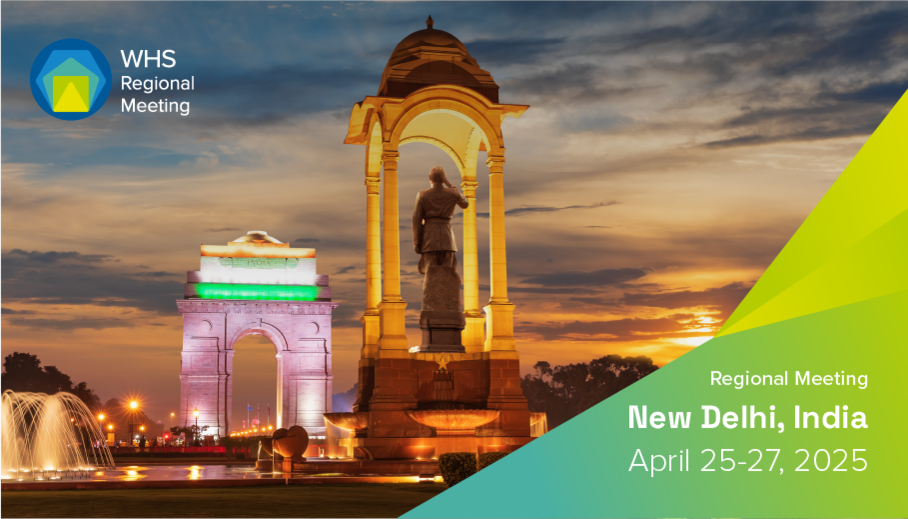
The World Health Summit Regional Meeting, scheduled to take place from April 25 to 27, 2025, in New Delhi, will serve as a vital platform for shaping the global health agenda, with a special focus on integrating and scaling up traditional medicine systems. One of the key highlights of the summit will be the session titled “Restoring Balance: Scaling up Access to Traditional Medicine for Health and Well-being,” marking a significant milestone for the global traditional medicine sector.
Union Minister of State for Ayush Prataprao Jadhav emphasized the importance of this gathering, describing it as a timely opportunity to advance international dialogue on traditional medicine. He reaffirmed India’s commitment to holistic health and global well-being, particularly as the country prepares to host the second WHO Traditional Medicine Global Summit in December, anchored by the WHO Global Traditional Medicine Centre in Jamnagar.
The World Health Summit Regional Meeting is being held under the overarching theme “Scaling Access to Ensure Health Equity,” bringing together ministers, leading scientists, business leaders, UN officials, and civil society representatives to explore inclusive and sustainable pathways toward universal healthcare. The session on traditional medicine aims to harness the transformative power of combining indigenous wisdom with modern scientific research, advancing universal access to safe and effective medical practices. Experts will delve into how traditional health systems can address the growing global demand for personalized and culturally sensitive healthcare solutions while leveraging technological advancements, evidence-based studies, and evolving regulatory frameworks.
The upcoming summit sets the stage for the second WHO Traditional Medicine Global Summit, scheduled for December 2 to 4, 2025, in New Delhi. Ministry of Ayush Secretary Rajesh Kotecha underscored the importance of integrating traditional medicine into global health discussions, stating that the summit reflects India’s leadership in advancing evidence-based traditional practices internationally. The Global Traditional Medicine Centre, established through an agreement between the Indian government and the World Health Organization, plays a crucial role in integrating indigenous health knowledge with global medical standards. As the first and only WHO outposted global center for traditional medicine, it promotes the sustainable, safe, and effective use of traditional health practices across WHO member states.
With anticipation building for the second WHO Traditional Medicine Global Summit, the World Health Summit Regional Meeting in New Delhi is expected to facilitate meaningful discussions and partnerships that will shape the trajectory of traditional medicine in the global health landscape. India’s leadership in promoting traditional medicine reinforces its commitment to global well-being and sustainable healthcare solutions rooted in cultural heritage. The discussions at the summit will align with the United Nations Sustainable Development Goals and WHO’s vision for universal health coverage, fostering international collaboration, innovation, and policy-making in traditional medicine.