



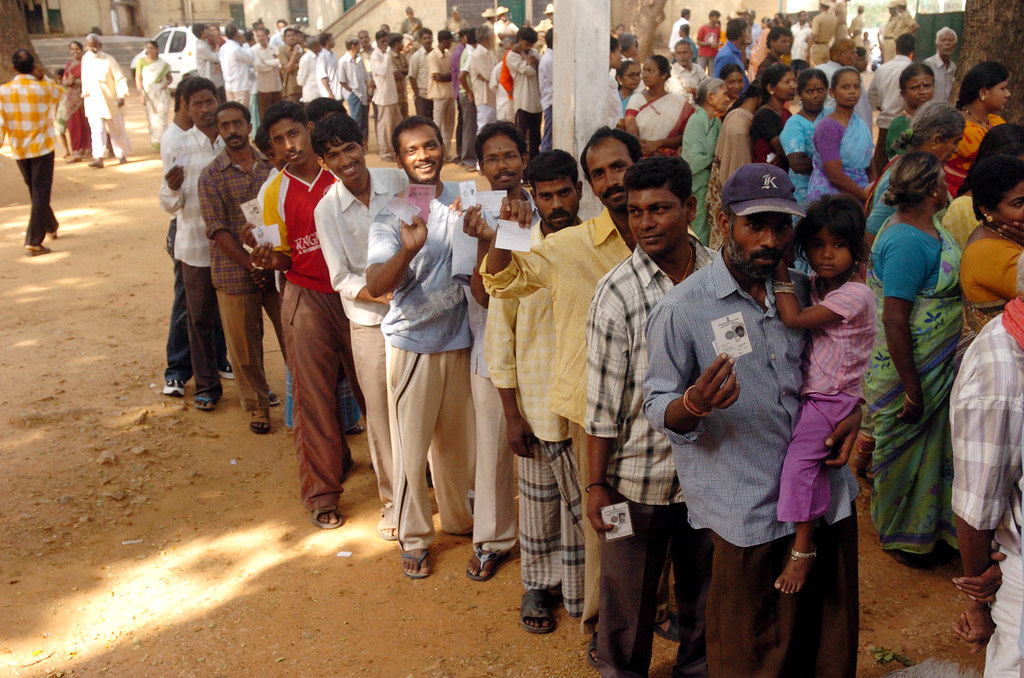
India’s vibrant democracy brings forth regular elections, often accompanied by a sense of uncertainty in the stock market. Investors grapple with potential policy shifts, economic forecasts, and media narratives, leading to market volatility. However, navigating these ups and downs requires a strategic approach and a clear understanding of the historical trends and underlying factors at play.
Understanding the Market Response
While every election cycle carries unique circumstances, historical data reveals some interesting patterns. Studies by various financial institutions suggest that Indian stock markets haven’t necessarily exhibited a negative long-term trend during elections. In fact, some periods have witnessed significant growth. For instance, the Nifty 50 index rose by over 20% during the 2019 general elections.
However, short-term volatility is a common feature in the lead-up to elections. Investors often adopt a “wait-and-watch” approach, leading to fluctuations in stock prices. This presents both challenges and opportunities for those willing to navigate the market strategically.
Identifying the Key Drivers
Several factors influence market behavior during elections. Here are some key drivers to consider:
-
Policy Announcements: Political parties often unveil their economic agendas during their campaigns. Promises of infrastructure spending, tax reforms, or industry-specific regulations can impact specific sectors and companies. Investors should analyze potential policy changes and their likely effects on their investment portfolio.
-
Global Economic Climate: India’s stock market is susceptible to global economic trends. Investors remain vigilant about international factors like interest rate hikes, currency fluctuations, and geopolitical tensions. These factors can overshadow domestic election-related uncertainties and influence overall market sentiment.
-
Media Hype: The Indian media often amplifies political rhetoric and potential risks associated with elections. It’s crucial to distinguish factual information from speculative narratives. Investors should rely on credible financial news sources and in-depth analyses to make informed decisions.
-
Investor Psychology: Market psychology plays a significant role during elections. A sense of uncertainty or fear can lead to panic selling, causing temporary dips in stock prices. Investors with a long-term perspective can potentially capitalize on such opportunities by buying undervalued stocks.
Strategies for Navigating the Market
Here are some practical strategies to help you navigate the stock market during elections:
-
Maintain a Long-Term Focus: Elections are temporary events. Don’t let short-term volatility derail your long-term investment goals. Focus on your investment horizon, risk tolerance, and asset allocation strategy.
-
Diversify Your Portfolio: Spreading your investments across different asset classes like equities, debt instruments, and real estate helps mitigate risk. Diversification within the equity market itself, by investing in various sectors and companies, further safeguards your portfolio from sector-specific election uncertainties.
-
Do Your Research: Conduct thorough research on individual companies and understand their fundamentals. Analyze their business models, financial health, and potential impact of various election-related scenarios.
-
Stay Informed: Keep yourself updated on the latest economic and political developments. Track policy announcements by key political parties and monitor global market trends.
-
Don’t Panic Sell: Market corrections during elections are often temporary. Resist the urge to sell your investments in a knee-jerk reaction to short-term volatility.
-
Consider Value Investing: Election-induced market dips can present attractive buying opportunities. Look for fundamentally strong companies whose stock prices might be temporarily undervalued due to election-related anxieties.
Beyond Elections: Building Resilience
While elections can create market volatility, there are other significant factors to consider when building a resilient investment portfolio. Here are some additional considerations:
-
Economic Fundamentals: A strong and stable Indian economy will likely provide a more fertile ground for long-term market growth, regardless of election cycles.
-
Corporate Governance: Invest in companies with strong corporate governance practices, ethical management, and a track record of good financial performance.
-
Global Events: Stay informed about ongoing global events like trade wars, oil price fluctuations, and interest rate changes, as they significantly influence the Indian market.
Conclusion
Elections in India undoubtedly influence market sentiment and can lead to short-term volatility. However, a well-informed investor with a long-term perspective can navigate these ups and downs effectively. By employing strategic diversification, conducting thorough research, and maintaining a calm and rational approach, investors can capitalize on potential opportunities while mitigating risks. Remember, while elections grab headlines, a well-diversified portfolio built upon strong fundamentals will serve you well through various market cycles.
